Malta geochemical records link Miocene Antarctic ice growth to stronger monsoon and higher productivity
Records from Malta show that after Antarctic Ice Sheet expansion in the Middle Miocene, salinity swung with precession and productivity rose. A link to global CO2 drawdown stays tentative.
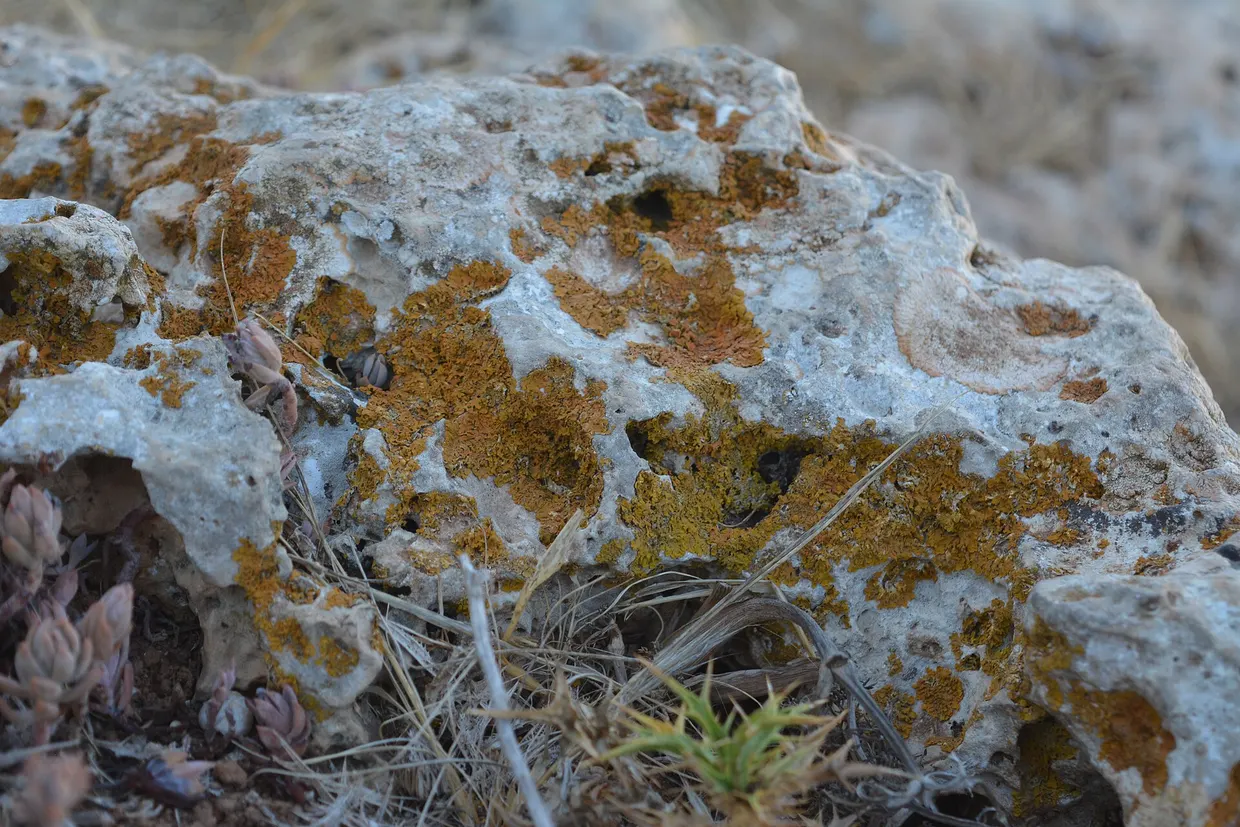
Researchers presented new geochemical records from Malta in Science Advances, covering the Middle Miocene expansion of the Antarctic Ice Sheet. This interval coincides with major sedimentological changes in Malta science.org
Science Advancesscience.orgOpen source ↗. It also saw reorganisations in ocean circulation linked to closure of the Mesopotamian Seaway (MSR-events) and perturbations in the carbon cycle (CM events).
The final carbon event, CM-6, slightly lags the main glacial phase. It remains difficult to interpret because of competing mechanisms and conflicting pCO2 reconstructions.
According to the records, cryospheric expansion was followed by large, precessionally paced variations in sea-surface salinity and a marked regional increase in biological productivity. The authors interpret this as a shift toward stronger monsoonal influence, delivering enhanced freshwater and nutrient fluxes to the region.
They suggest that the enhanced local biological carbon pump may have acted as a positive feedback to a global CO2 drawdown. This contribution remains tentative and cannot be confirmed without contemporaneous high-resolution open-ocean records science.org
Science Advancesscience.orgOpen source ↗.