Au50Ag20Cu30 alloy: coherent dual-phase structure raises modulus by 27% and hardness by 37%
Chinese and US groups report that spinodal decomposition in Au50Ag20Cu30 raises elastic modulus and hardness together; nanoindentation and simulations agree.
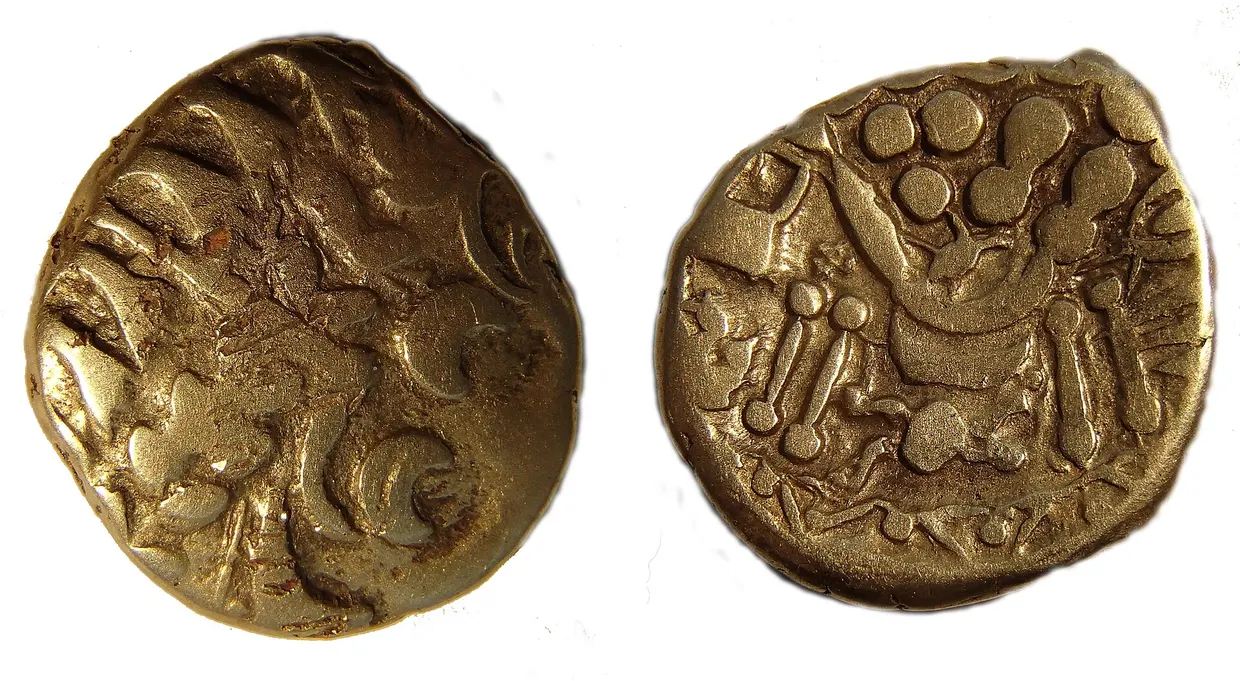
A group of researchers from Shanghai Jiao Tong University, Kunming University of Science and Technology, Beijing Jiaotong University, ShanghaiTech University, Yunnan University and the University of Nebraska-Lincoln reported an Au50Ag20Cu30 alloy in which elastic modulus and hardness increase together. The paper was published in Nature Communications on 3 November 2026. Relative to the solid solution phase, the elastic modulus rose by 27% and the hardness by 37%, the authors report nature.com
Nature Communicationsnature.comOpen source ↗.
Elastic strain instead of composite or solute effects
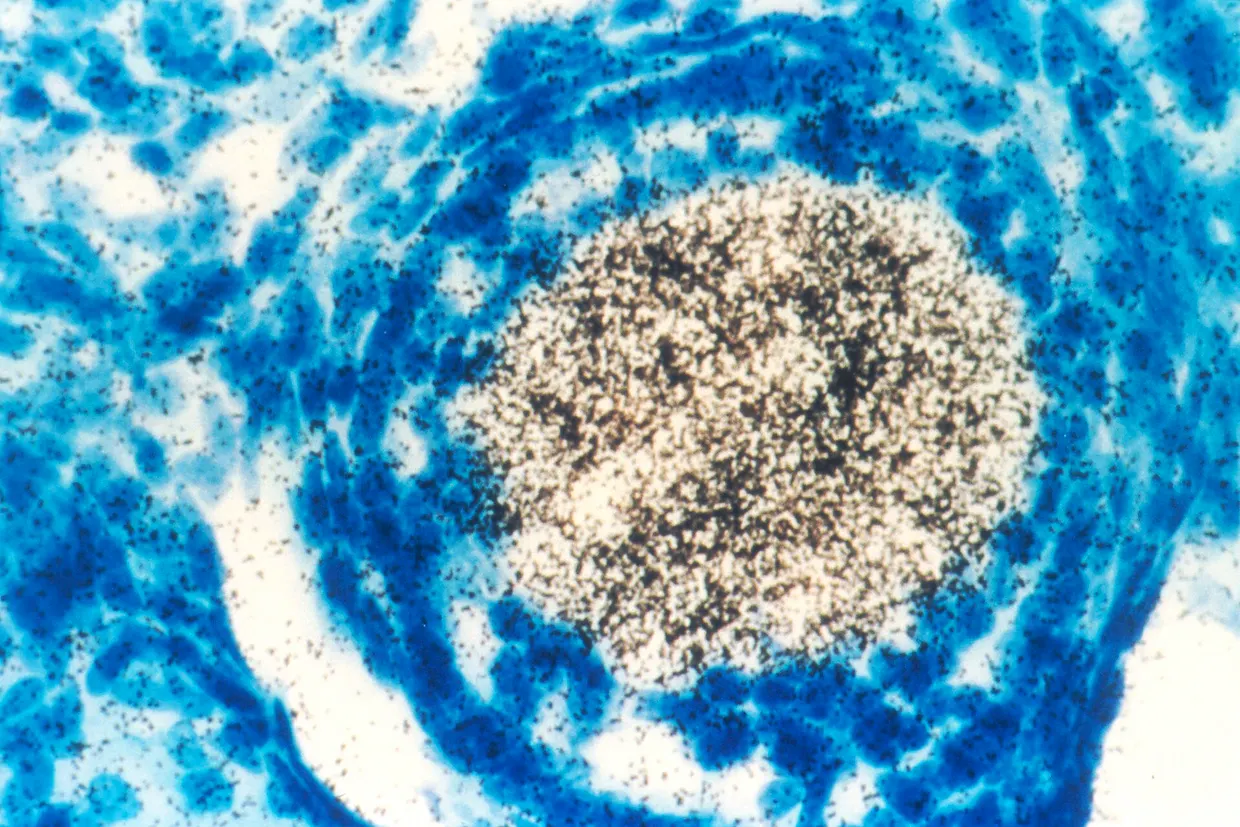
The elastic modulus of alloys and composites is usually tuned through composite or solute effects. In this work the authors used a different route, elastic strain engineering. It relies on three-dimensional coherent dual-phase structures (3D-CDSs), which formed by self-organization through spinodal decomposition in the Au50Ag20Cu30 alloy. In spinodal decomposition, a uniform solid solution separates into two compositionally different phases.
Microstructural characterization and nanoindentation testing confirmed alternating hydrostatic compressive or expansion strains associated with the coherent dual-phase structure. According to the authors, this strain modulation leads to the higher modulus and hardness compared with the solid solution phase.
Agreement with theory and simulation
The measured enhancements, 27% in elastic modulus and 37% in hardness, are consistent with theoretical predictions and with molecular dynamics simulations, the authors state nature.com
Nature Communicationsnature.comOpen source ↗. Experiment, theory and simulation are therefore reported to agree on the effect in this alloy.
The authors present the approach as a rational and effective strategy for tailoring a high elastic modulus and mechanical strength simultaneously through three-dimensional elastic strain engineering. The reported values refer to the Au50Ag20Cu30 composition compared with its own solid solution phase, with hardness and modulus assessed by nanoindentation.