Senescent CD8 T effector memory cells in humans lose function and limit response to checkpoint blockade
Single-cell sequencing of human cells showed that senescent CD8 T EM cells accumulate with age and in disease, and fail to proliferate, produce cytokines or clear senescent cells in vitro.
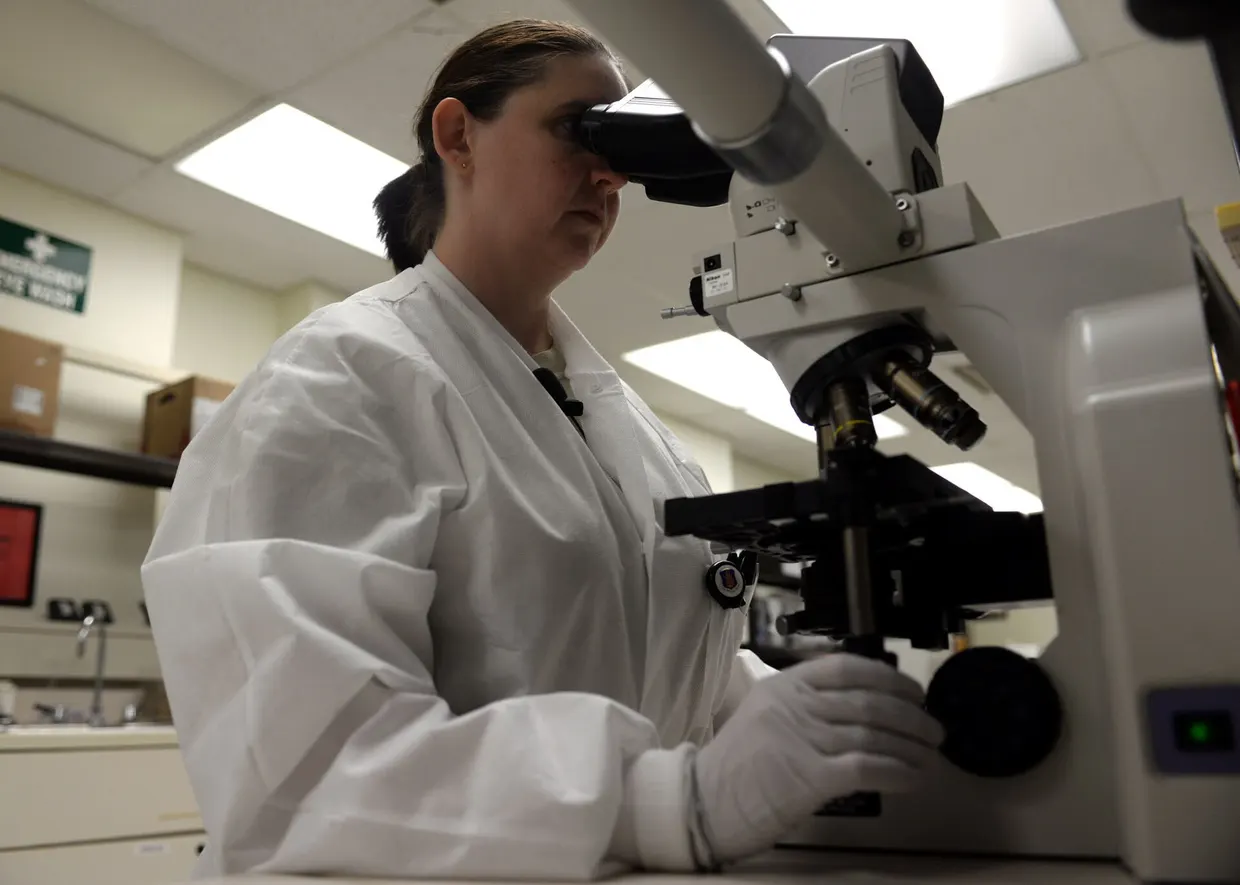
Researchers characterized senescent human CD8 T effector memory (EM) cells, their function and their abundance in aging and disease, according to a study in Proceedings of the National Academy of Sciences. The work focused on cells with high activity of senescence-associated β-galactosidase (SA-βGal high). Single-cell RNA sequencing showed that SA-βGal high CD8 T cells with distinct transcriptional signatures arise at all stages of T cell differentiation, including EM cells, and that their abundance increased with human aging pnas.org
Proceedings of the National Academy of Sciencespnas.orgOpen source ↗.
Impaired function of senescent T cells
SA-βGal high CD8 T EM cells expressed several classical markers of senescence. They were significantly impaired in their ability to proliferate, produce cytokines and eliminate senescent human stromal cells. The authors note that senescent cells accumulate in the body with age, and that CD8 T cells are capable of targeting them. In earlier work the same group showed that human CD8 T cells increasingly acquire characteristics of senescence as people get older.
Aging, disease and checkpoint blockade
Gene signatures of senescent SA-βGal high CD8 T EM cells were enriched in CD8 T cells from older donors, patients with age-related disorders, patients with cancer and smokers. The authors also report that T cell senescence is distinct from T cell exhaustion and dominant over it, and that it limits the response of CD8 T EM cells to immune checkpoint blockade.
The authors conclude that senescence impairs the function of CD8 T EM cells and that senescent, dysfunctional cells of this type are involved in aging, disease, smoking and responses to immunotherapy pnas.org
Proceedings of the National Academy of Sciencespnas.orgOpen source ↗.
स्रोत · 1
कोई ग़लती मिली?यह भी पढ़ें