UC Irvine: one hour less sleep after the DST shift raised simulated phishing clicks by 13%
In a PNAS study of more than 11,000 employees, the click rate on simulated phishing emails rose from 15.56% to 17.76% on the Monday after the spring 2026 clock change.
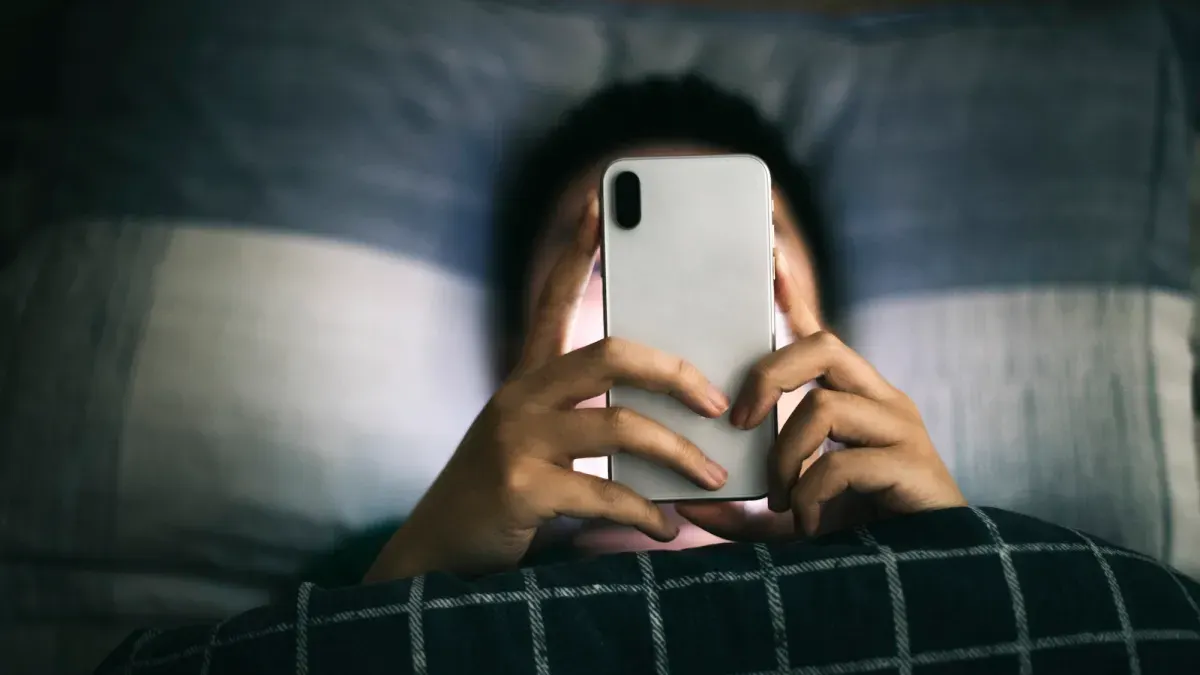
Neurobiologists at the University of California, Irvine reported that the loss of up to one hour of sleep at the spring 2026 transition to Daylight Saving Time coincided with a higher rate of clicks on simulated phishing emails, according to eurekalert.org. The results are published in the Proceedings of the National Academy of Sciences. eurekalert.org
eurekalert.orgeurekalert.orgOpen source ↗ The authors note that nearly a third of adults in the U.S. do not get enough sleep.
Test design: simulated phishing emails
The team used an existing cybersecurity awareness campaign for more than 11,000 employees of a large U.S. institution. Every few months, the institution's information technology group sends emails that resemble phishing attacks and counts how many recipients click the links in them. The program is intended to educate employees about the risks of cybercrime.
The researchers compared the Monday after the clock change with the Monday a week earlier.
Result and context
On the Monday after the transition, employees were 13% more likely to fall for the simulated attacks than on the previous Monday, according to the authors. The click rate was 17.76% versus 15.56%. eurekalert.org
eurekalert.orgeurekalert.orgOpen source ↗
The authors cite the FBI Internet Crime Complaint Center 2025 Annual Report, which estimates financial losses from cybercrime in the U.S. alone at more than $20 billion in 2025.
"Although we focused on cybersecurity, many of our day-to-day decisions are likely compromised in similar ways. Better sleep likely leads to better decisions," said Dr. Eitan Schechtman, assistant professor of neurobiology and behavior at UC Irvine and lead researcher of the study. He added that such a small sleep loss is similar in scope to what many people experience daily.
The study also touches on the debate over clock changes. The U.S. House of Representatives recently passed the Sunshine Protection Act, which would make Daylight Saving Time permanent. According to the researchers, scientific data strongly suggest that Standard Time better aligns with the internal clock, and scientists have encouraged Congress to adopt it as the permanent clock. eurekalert.org
eurekalert.orgeurekalert.orgOpen source ↗
If the clock shifts continue, the authors say, precautions should be taken to mitigate the risks. Schechtman expressed the hope that cybersecurity companies and employers will act before the transition and at other times when sleep is compromised, such as after holidays or major sports events.