Weed bouquet named best exhibit at Margaret River agricultural show in Australia
Nature Conservation Margaret River entered invasive plants in a local show to draw attention to harm to ecosystems. The arrangement won best exhibit.
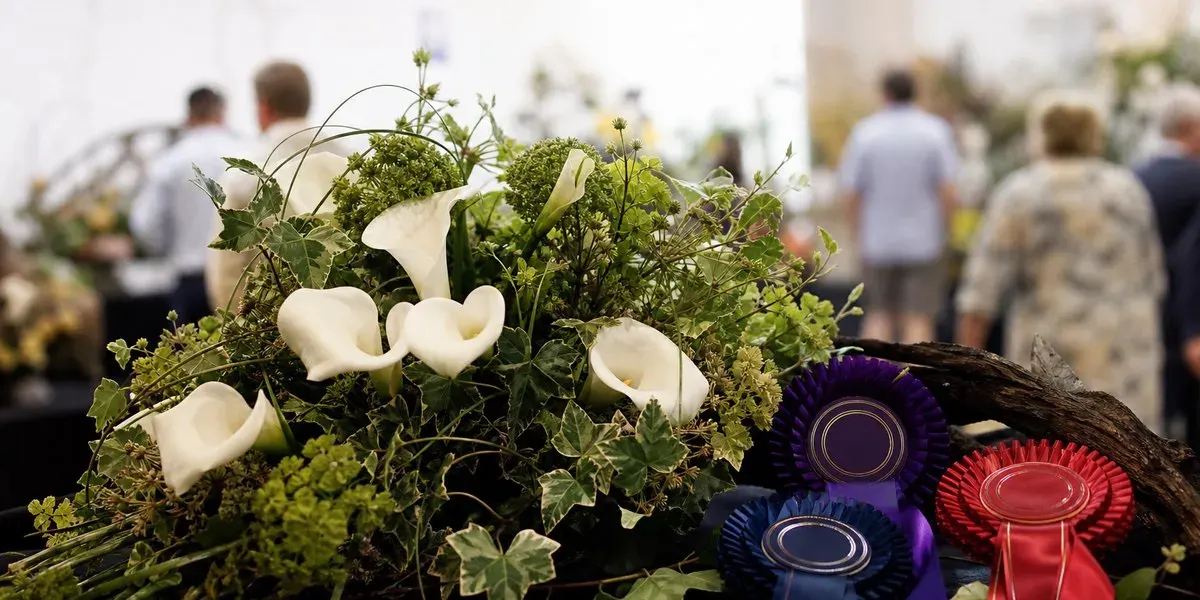
In Margaret River, southwestern Australia, a bouquet of invasive weeds was named best exhibit at a local agricultural show, ua.news reports. The arrangement was presented by the conservation organisation Nature Conservation Margaret River to draw attention to the harm that non-native plants cause to local ecosystems ua.news
ua.newsua.newsOpen source ↗. It also won in the mixed weeds category.
What was in the bouquet
The bouquet included arum lilies, English ivy, watsonia, Flinders Ranges wattle, agapanthus, periwinkle and Victorian tea tree. Show vice-president Julie Kirby said a record 200 floral exhibits were entered this year across categories including roses, wedding bouquets, mixed arrangements, floral art and weed arrangements. According to her, accredited judges from the Western Australian Horticultural Council highly praised the design, execution, colour harmony and condition of the work.
Why garden weeds matter
Biodiversity officer Obelia Walker said she had not expected the top award. The organisation used the competition to tell the community about plants that displace native species and can spread from home gardens into natural areas. After the show, the bouquet was safely disposed of to prevent the spread of seeds.
Arum lily, considered one of the country's most destructive weeds, was banned from sale in Western Australia more than 20 years ago. Even so, more than 3,000 private landowners have sought help to eradicate it from their properties ua.news
ua.newsua.newsOpen source ↗. According to Walker, invasive plants often spread successfully because they have no natural enemies. She urged gardeners to choose plants more carefully so as not to contribute to potentially dangerous species entering the natural environment.