Black-hole microfluidic blood filter captures circulating tumour cells in mice after chemotherapy
Authors of the Black-hole system report that extracorporeal blood circulation through a microfluidic reservoir removed circulating tumour cells in tumour-bearing mice after paclitaxel.
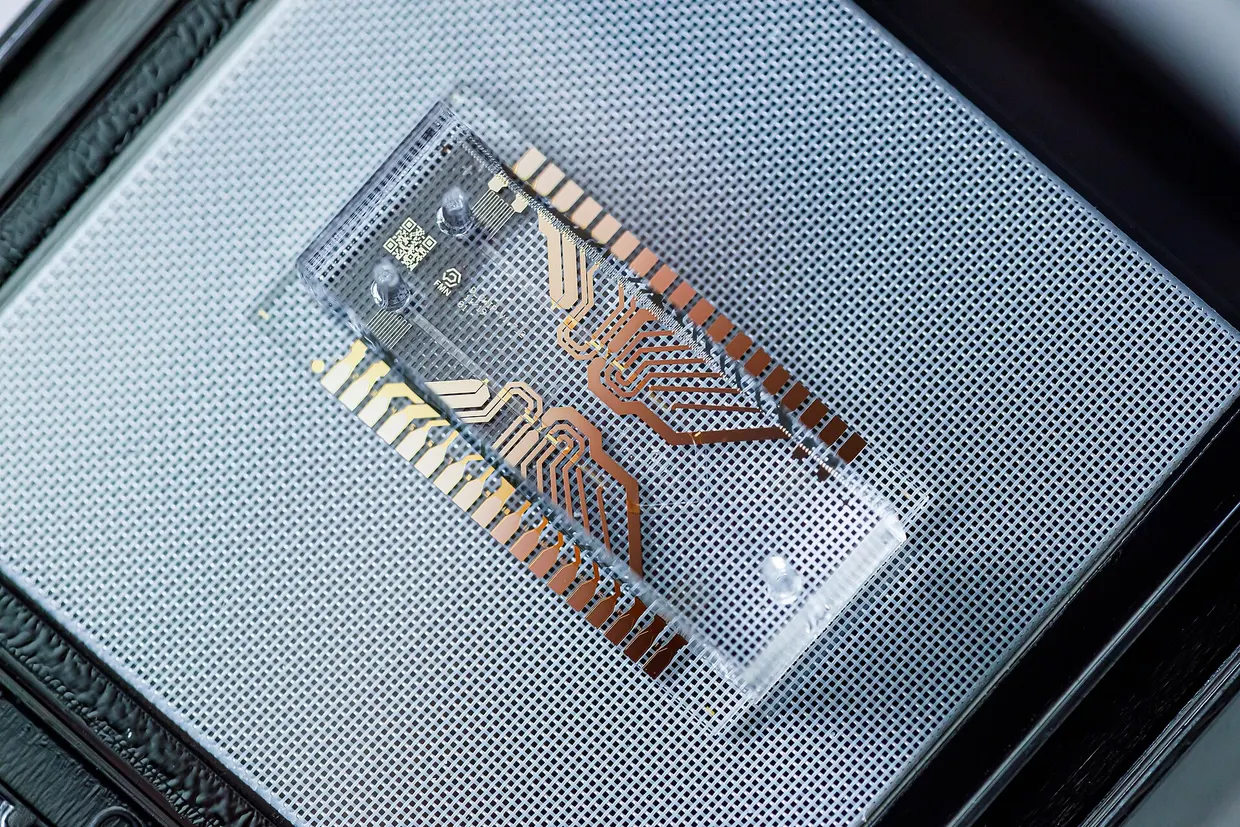
Researchers have described the "Black-hole" system for continuous removal of circulating tumour cells (CTCs) from blood after chemotherapy, in Microsystems & Nanoengineering. The system was tested in a live tumour-bearing mouse model, so the work remains preclinical. nature.com
Microsystems & Nanoengineeringnature.comOpen source ↗
The system combines a peristaltic pump that maintains continuous blood flow, a functionalized microfluidic reservoir that captures CTCs, and flexible tubing with needles for withdrawal and reinfusion. Blood is drawn from the left carotid artery, passes through the reservoir, which selectively retains CTCs, and is returned into the right jugular vein. The design is inspired by hemopurification.
According to the authors, the experiments showed biosafety and efficacy of single-pass in vivo CTC elimination. No significant morphological changes were observed in major organs after the therapy.
Mice that received Black-hole therapy after paclitaxel chemotherapy showed a 50% survival rate and a 16.7% reduction in overall tumour recurrence. The authors expect the system to become an adjuvant therapy for postoperative cancer management. nature.com
Microsystems & Nanoengineeringnature.comOpen source ↗
Fuentes · 2
¿Has encontrado un error?Lee también