HKUST stacks stamped nitinol chips into elastocaloric refrigerant that withstood over 100 million cycles
A laboratory prototype of the stacked nitinol structure endured more than 10^8 compression cycles. The authors report fabrication cost lower by an order of magnitude.
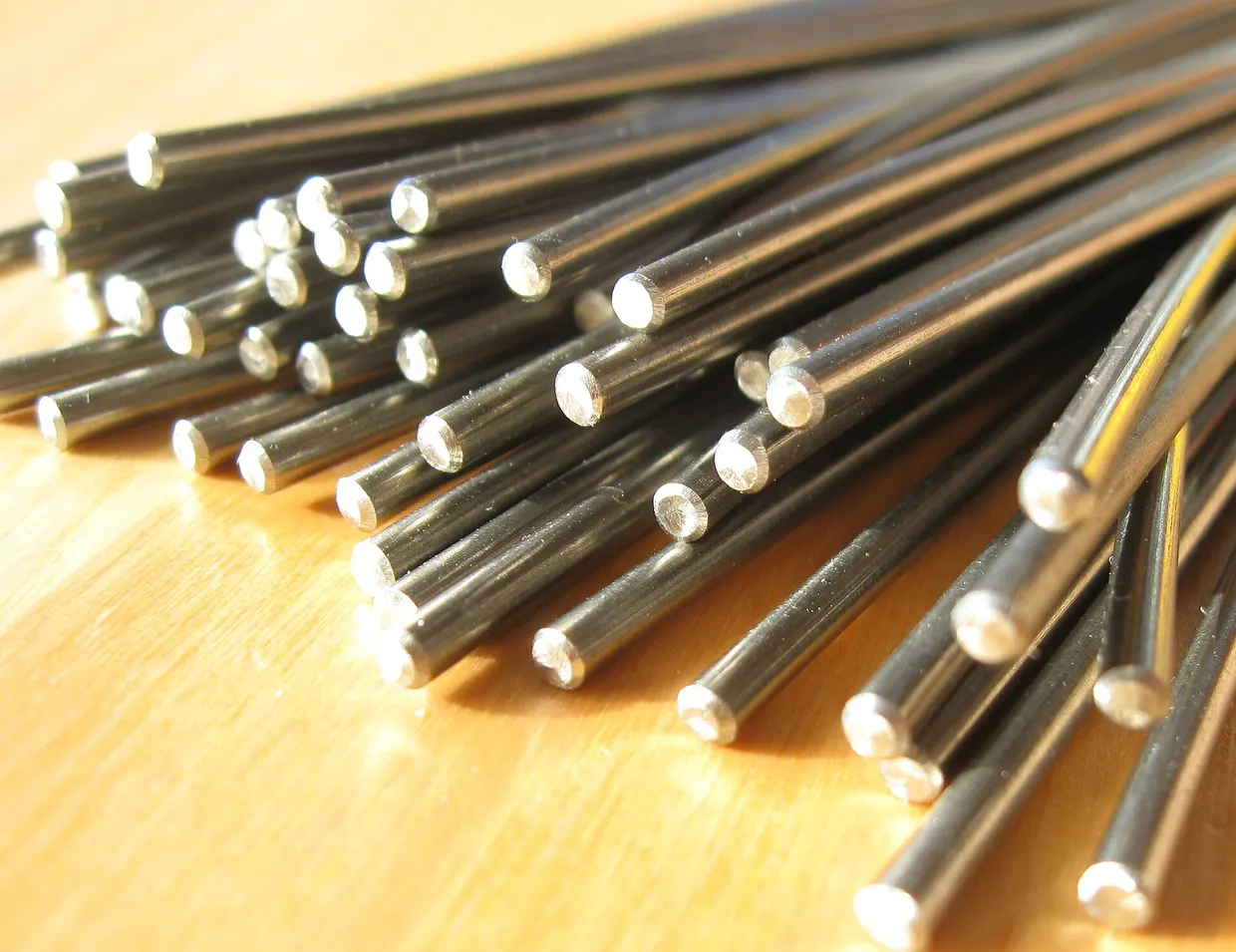
Researchers at the Hong Kong University of Science and Technology (HKUST), led by Prof. Sun Qingping, have described a way to make elastocaloric refrigerant structures from nitinol (NiTi) sheet, according to a paper published in Science on 5 November 2026. In laboratory tests the stacked structure endured more than 10^8 compression cycles and delivered a specific cooling power of 3850 W/kg science.org
Sciencescience.orgOpen source ↗.
Elastocaloric cooling uses shape memory alloys as refrigerants: heat is absorbed and released through a reversible phase transformation. Existing structures rely on commercial tubes, plates and wires, or on thin-walled parts cut by wire electrical discharge machining (WEDM). According to the authors, such approaches are costly and slow, and prone to fatigue failure and buckling under repeated loading.
Stamping and stacking
In the "stamping and stacking" method, honeycomb-like porous chips are stamped from thin nitinol sheets and stacked into a layered tubular structure. The porous form increases the heat exchange surface. Because the tube is assembled from separate chips rather than made as one long piece, the interfaces between neighboring chips help arrest crack propagation and prevent longitudinal splitting. Buckling failures are avoided as well.
According to the HKUST release, stamping produces 100 chips per minute. The authors report that fabrication cost is one order of magnitude lower than with existing approaches, which they say makes mass production of such structures possible science.org
Sciencescience.orgOpen source ↗. The release puts the gain over WEDM at more than 100 times in speed and 95% in cost.
Fatigue life and cooling test
The structure withstood more than 100 million operating cycles. The team estimates that this corresponds to a service life of over 10 years under the tested operating conditions.
For the cooling test the researchers built a prototype with a 30-mm-long refrigerant unit containing 200 stacked chips. It reached a maximum temperature span of 11.7 K, with a specific cooling power of 3850 W/kg.
The authors note that the approach is not limited to stamping: similar structures could be made from thin sheets produced by laser cutting or etching. As next steps, the team plans to work on heat-transfer performance, more energy-efficient actuation systems and higher-performance shape memory alloys.