Y chromosome is lost more often in first divisions of mouse embryos, slowing cell division
Authors report the Y centromere is unusually weak in the first embryonic mitoses of mice, and Y loss slows cell division and reduces embryo size.
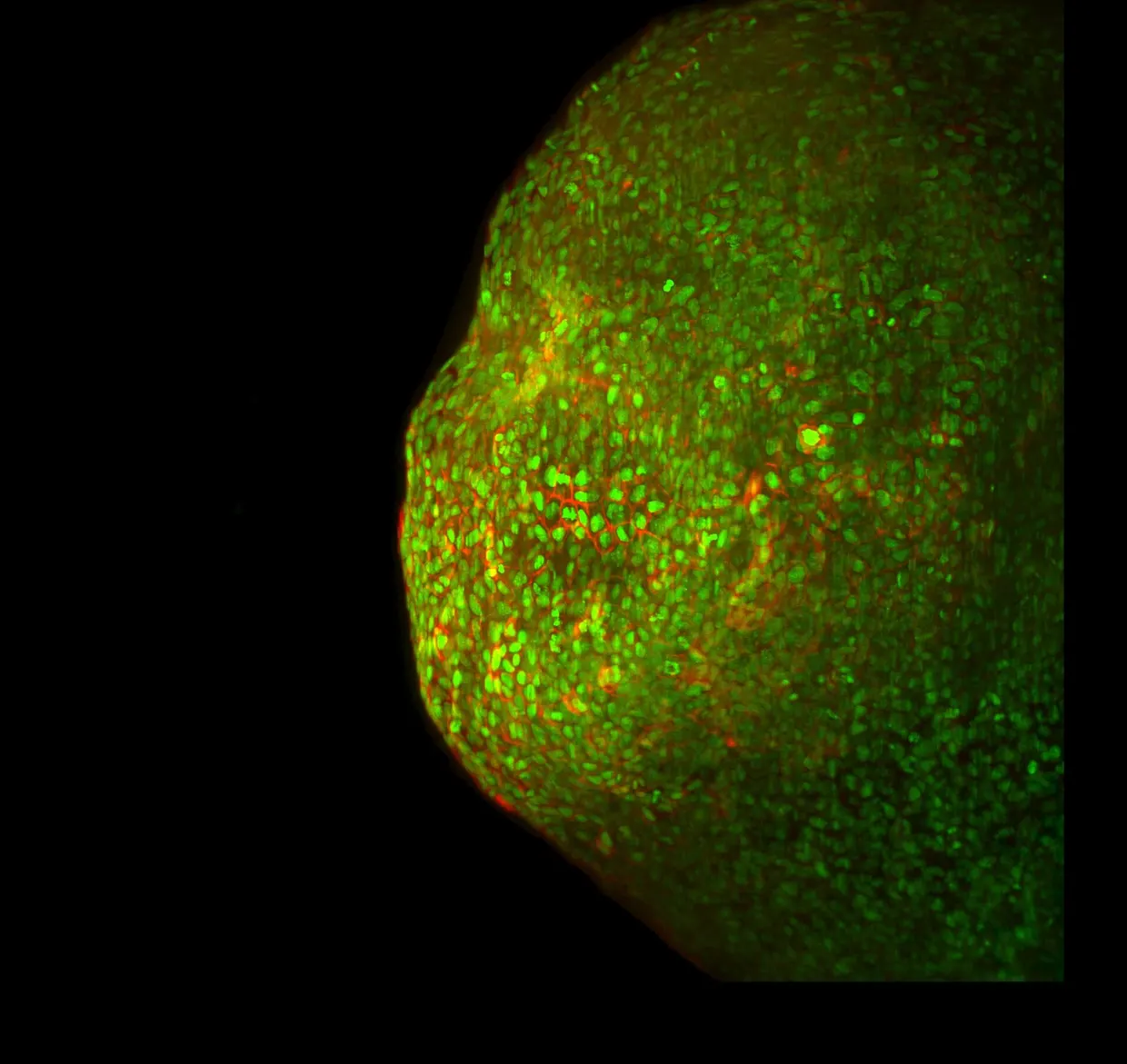
Researchers described in Science Advances a window in the first mitoses of the mouse embryo during which the Y chromosome is especially prone to loss. The Y lacks canonical centromeric repeats needed for high-fidelity segregation, and in adult tissues this causes Y loss science.org
Science Advancesscience.orgOpen source ↗. In the early embryo, the authors found the Y centromere unusually weak.
This weakness impairs kinetochore strength, and the Y becomes preferentially trapped at the spindle pole, leading to missegregation. To study the effect, the team built an aggregation model that tracks specific aneuploidies in mosaic embryos. Loss of the Y slowed cell division and reduced embryo size.
The authors link the findings to male sex determination and to the origin of Turner syndrome (XO). The work was done in mouse embryos.