MitoCarta identifies 33 parasite-conserved mitochondrial proteins absent in humans
Comparative profiling of mitoproteomes across eight eukaryotic lineages revealed potential pan-parasitic drug targets and reconstructed the organelle of LECA.
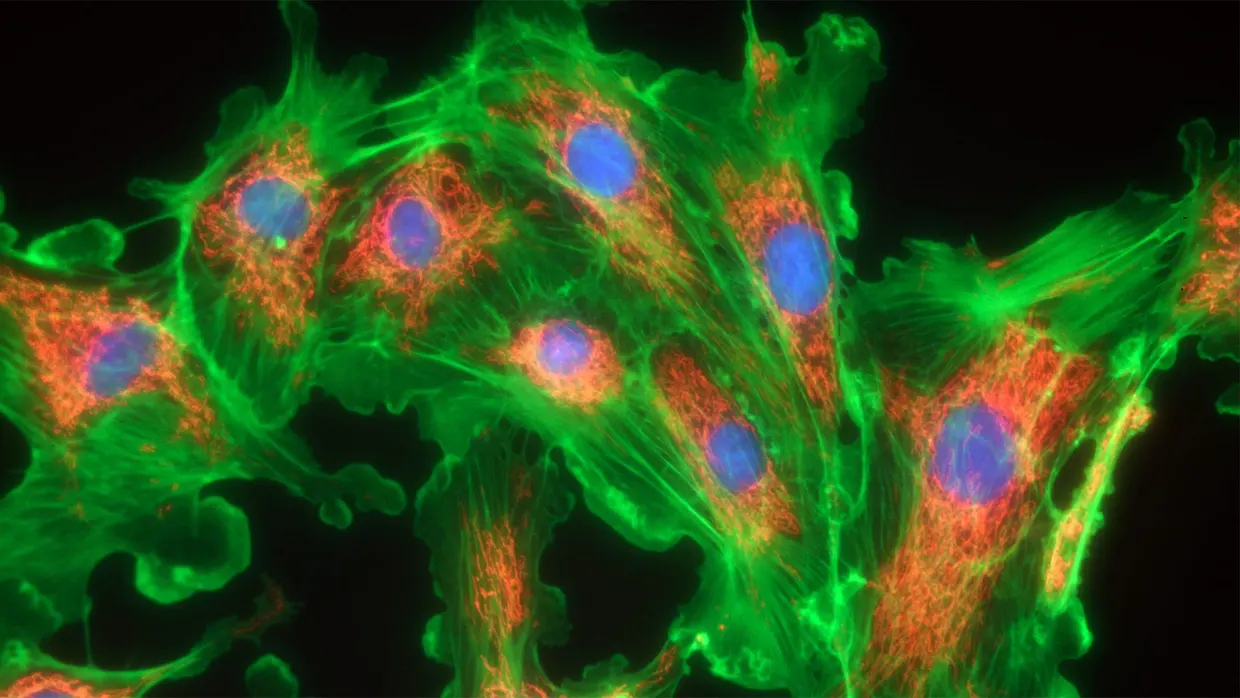
Biologists from the MitoCarta Tree of Life consortium, led by researchers from the Broad Institute and Harvard Medical School, analyzed experimentally defined mitoproteomes across eight eukaryotic organisms sciencedirect.com
Cellsciencedirect.comOpen source ↗. According to the study published in Cell, the team characterized 8,619 mitochondrial proteins across 3,199 families, identifying 33 conserved protein families found in eukaryotic pathogens that are completely absent in humans. These candidate targets could aid in developing selective treatments against protozoan infectious diseases.
Structural Diversity and Drug Targets
The mitoproteome sizes varied widely across the investigated species: Giardia carried 59 mitochondrial proteins, while the parasite Trypanosoma contained 1,666 proteins. The researchers reported that 43% of the identified 3,199 protein families lack known Pfam domains. Among the 33 target families absent in humans, two enzymes—NDH2 and class I fumarate hydratase—had been previously explored as antiparasitic targets. In Plasmodium knowlesi, 17 candidate counterparts were identified, with gene-knockout data showing 13 of them to be essential for survival.
Evolutionary Trajectory and LECA Reconstruction
Using the experimental datasets, the team trained a classifier to predict mitoproteomes across roughly 200 eukaryotic organisms. In Monocercomonoides exilis, the algorithm identified 23 predicted mitochondrial proteins, while signature mitochondrial elements were detected in Skoliomonas litria. Reconstructing the last eukaryotic common ancestor (LECA), the authors found an estimated organelle of about 1,438 proteins capable of both aerobic and anaerobic metabolism.