Cornell study: a week in outdoor enclosures lowers anxiety measures in lab mice in maze test
Cornell researchers kept lab mice for a week in semi-natural outdoor enclosures. The authors report in Current Biology that anxiety-related behavior in the elevated plus maze dropped.
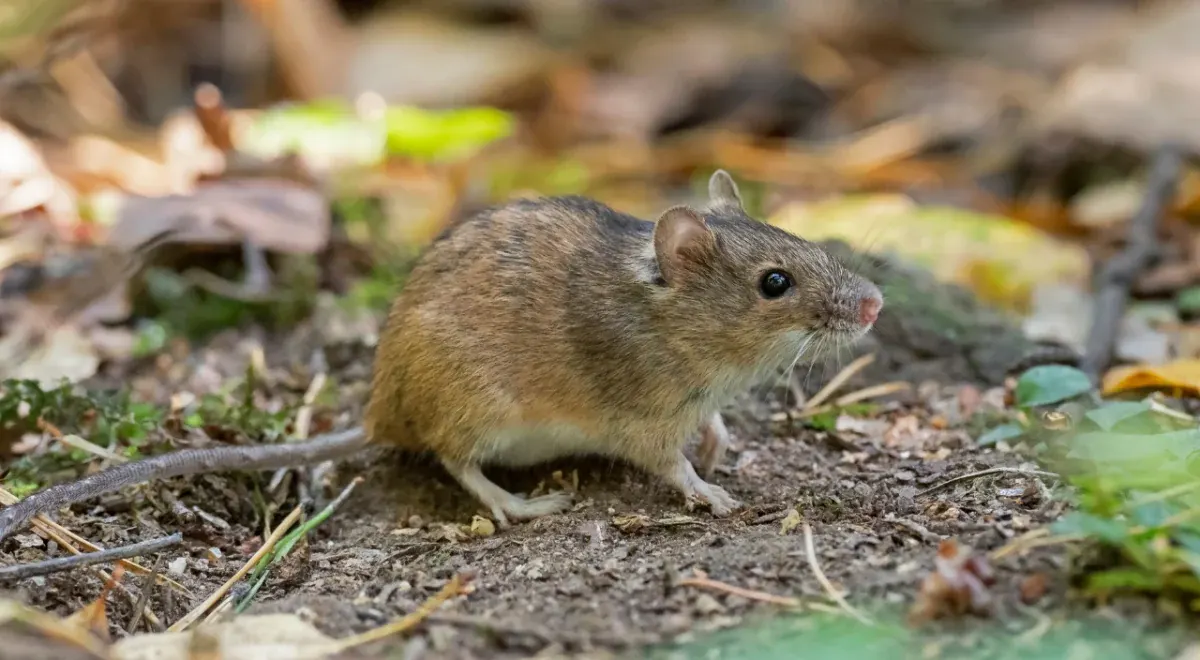
Researchers at Cornell University report that laboratory mice placed for one week in large semi-natural outdoor enclosures showed markedly lower anxiety-related behavior in a standard maze test. The study was published in Current Biology and covered by science-et-vie.com science-et-vie.com
science-et-vie.comscience-et-vie.comOpen source ↗. The animals came from standardized strains, notably C57BL/6.
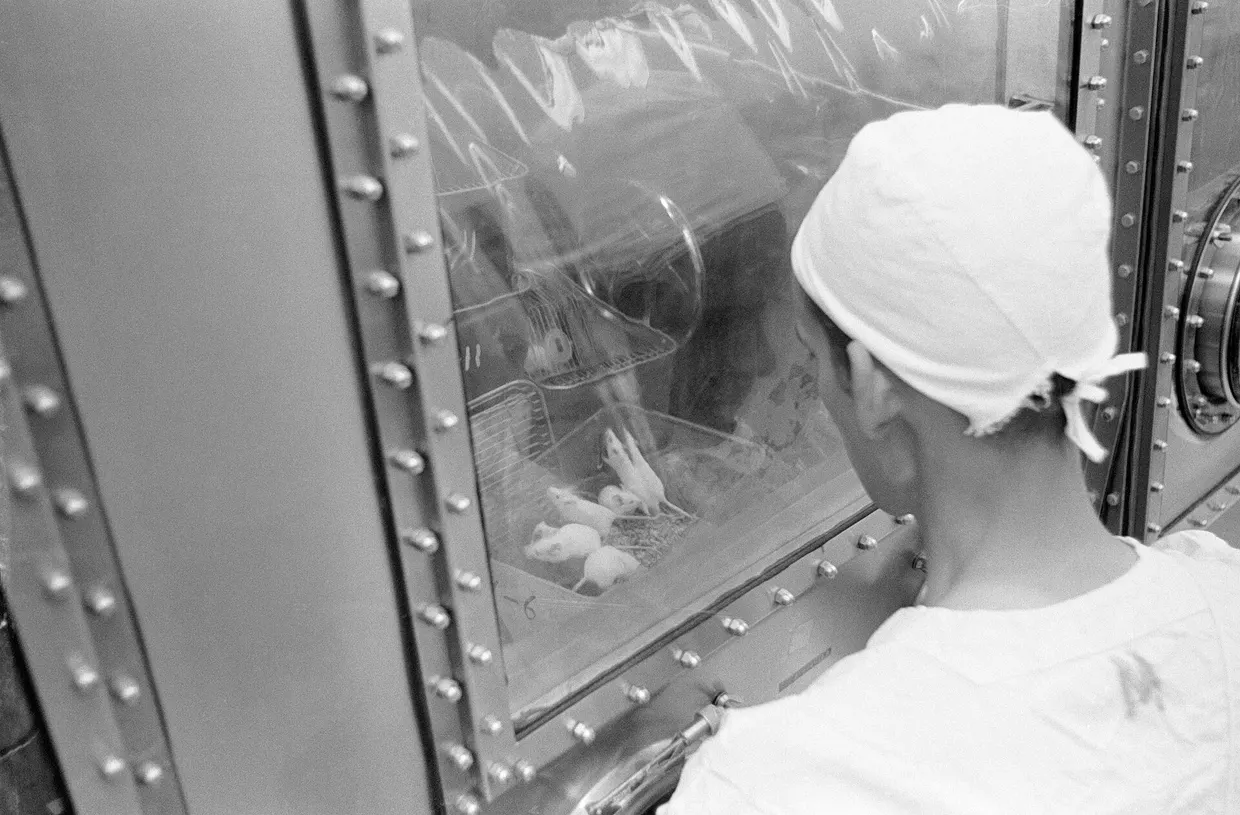
Standard laboratory cages are sterile and uniform, with limited space, no natural light and little sound or sensory variety. The enclosures in the study had loose soil, vegetation, climate variation, natural light and spontaneous social interaction. The authors describe the setup as an enriched experimental environment, not a return to life in the wild.
Elevated plus maze results
The test is an elevated cross-shaped maze with two open arms without walls and two closed arms. Mice that spend more time in the closed arms are conventionally judged to be more anxious. The researchers compared mice kept only in cages with mice that spent a week in the enclosure. Before exposure, all mice showed the expected anxious responses: a strong preference for closed arms and frequent immobility.
After a week outdoors, the mice explored the open arms more, spent more time in exposed positions and showed less avoidance. An automated tracking system recorded the observations science-et-vie.com
science-et-vie.comscience-et-vie.comOpen source ↗. Matthew Zipple noted that the change occurred both in mice never tested before and in mice that had already developed a marked anxious response in an earlier maze trial. The authors call this a "behavioral reset". Mice outdoors also showed more motor activity and exploration and less immobility.
Implications for animal models
Mice account for about 75% of animals used in biomedical research worldwide. The study indicates that a parameter treated as fixed, anxiety, depends strongly on living conditions. This bears on the comparability of results between laboratories, or within one protocol if environments differ.
Coauthor Michael Sheehan said that the social and sensory environment in which an animal lives changes how it interprets threats and makes behavioral decisions. According to the article, the work revives the debate on housing conditions for laboratory animals and on how far results obtained in mice can be extrapolated to human conditions.