University of Oklahoma team finds preserved soft parts in a crinoid fossil over 450 million years old
Ambulacral feet preserved in a Dendrocrinus simcoensis fossil from a Montreal museum make it the oldest crinoid with soft parts on record, and only the second such case.
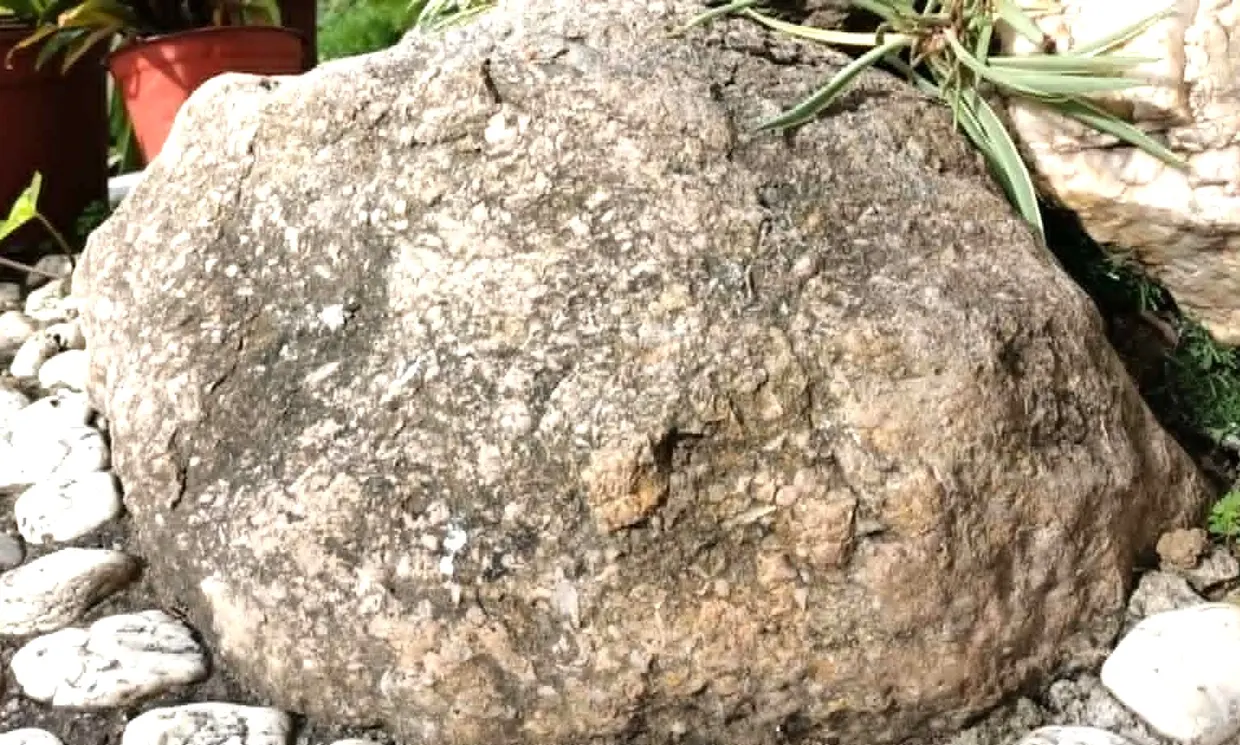
Researchers at the University of Oklahoma have identified preserved soft tissue in a fossil more than 450 million years old, tupi.fm reports. tupi.fm
tupi.fmtupi.fmOpen source ↗ The specimen is the oldest record with this level of preservation among crinoids, marine animals related to starfish. It is only the second case of this kind documented by science.
The specimen and its anatomy
The fossil belongs to the extinct species Dendrocrinus simcoensis, an organism that lived in reef formations in the geological past. The animal had an anatomy resembling a sea flower, with branches growing from a central region to catch food in the water.
Fossilization of soft parts is unusual because organic matter tends to rot quickly after death. In most cases the fossil record keeps only hard structures: skeletal plates and shells are the most common finds.
What the soft parts show
The studied fossil kept its ambulacral feet intact. These are small flexible structures the creature used to obtain food. tupi.fm
tupi.fmtupi.fmOpen source ↗ Their preservation allowed analysis of biological details that almost always disappear before fossilization is complete.
Examination of these parts yielded data on how the animal captured nutrients suspended in marine currents and responded to water flow. The work also pointed to body differences between the prehistoric creature and present-day crinoid lineages.
Specialists compared the importance of these flexible structures to that of teeth in mammals: the anatomical pattern shows the feeding habits and the environment the species occupied. The changes observed help in understanding shifts in survival strategies over hundreds of millions of years.
The fossil was stored for years at the Museum of Paleontology and Evolution in Montreal, Canada, an institution that receives financial support from the community. tupi.fm
tupi.fmtupi.fmOpen source ↗ Its historical value was recognized when scientists examined the collection during a research visit.
The case underscores the relevance of museum collections to scientific progress. Material recovered in old collecting trips can reveal new facts about life in early oceans when new researchers and current techniques examine it.