Megapodius rokusi: 3.9 kg extinct megapode described from Liang Bua cave on Flores
A single leg bone from Liang Bua, dated to about 190–120 thousand years ago, is the first fossil megapode described from Wallacea and the largest in its genus.
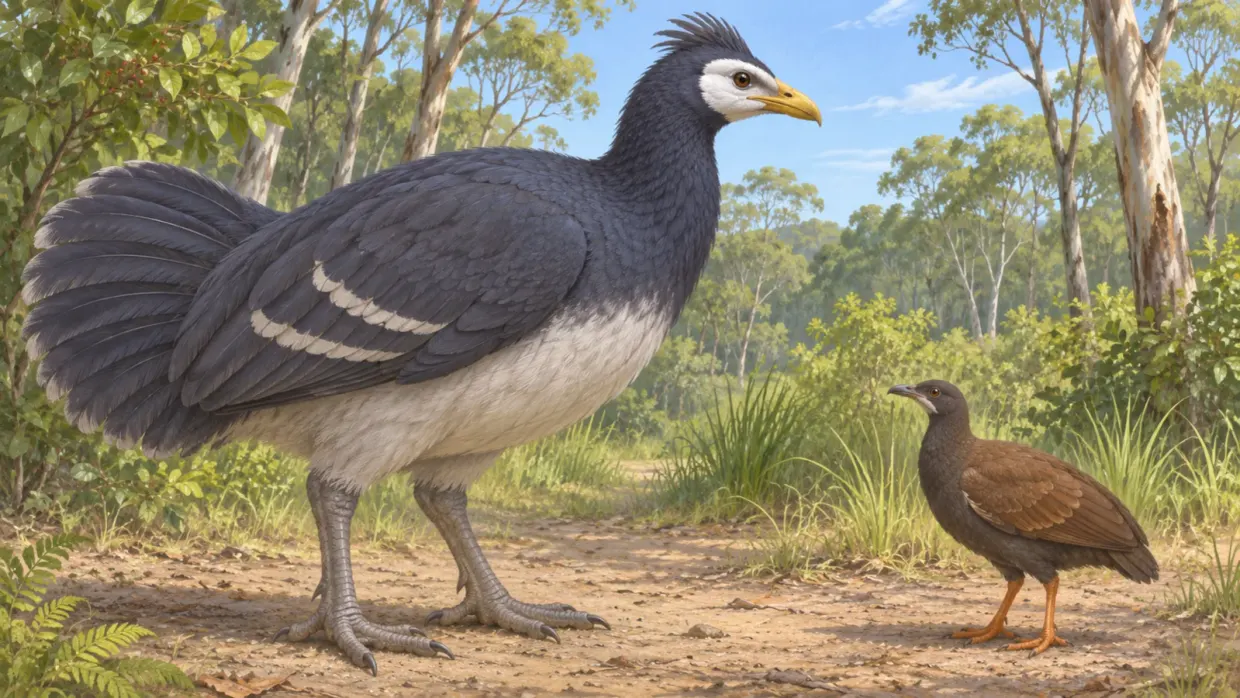
Researchers led by Hanneke J. M. Meijer at the University of Bergen have described a new extinct megapode, Megapodius rokusi, from a partial tarsometatarsus found at Liang Bua cave on Flores, Indonesia. The description was published in Alcheringa An Australasian Journal of Palaeontology tandfonline.com
Alcheringa An Australasian Journal of Palaeontologytandfonline.comOpen source ↗. The bone was recovered during archaeological excavations in 2009 from sediments dated to about 190–120 thousand years ago. It is the first fossil megapode described from Wallacea.
The find and its identification
The specimen is the lower half of a right tarsometatarsus, the bone that in birds lies between the ankle joint and the toes. It was found about 6.8 m below the present cave floor. The team compared its shape with skeletons of living megapodes and with descriptions of extinct species. The position and form of the toe joints distinguish the bone from all previously known members of the genus Megapodius.
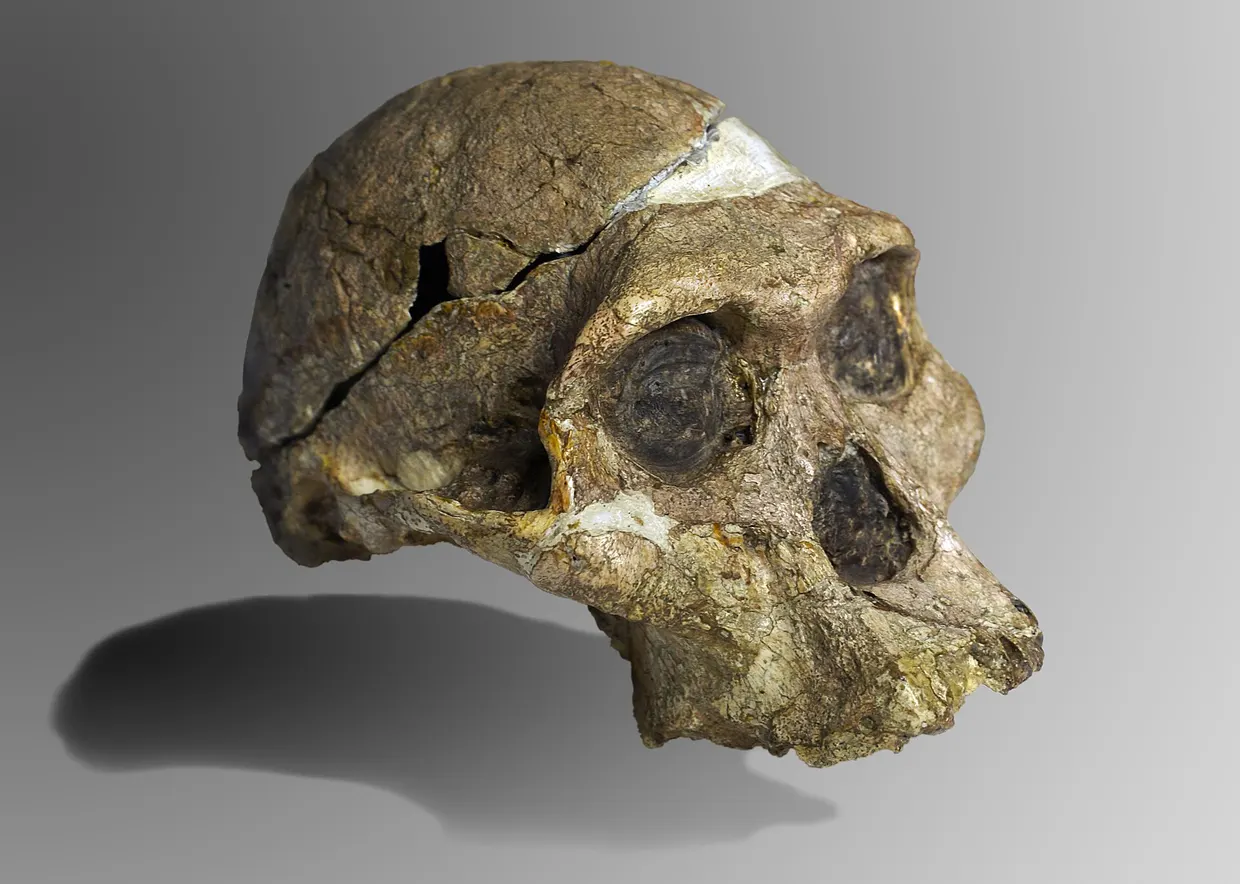
The species is named in honour of the late Indonesian zooarchaeologist Rokus Due Awe. He first recognised the fossil as a bird bone and also took part in identifying the early human remains from Liang Bua. The cave is best known for fossils of Homo floresiensis, which occur alongside remains of dwarf Stegodon, Komodo dragons and large birds.
Size and open questions
From the width of the preserved bone, the authors estimated a body mass of 3.9 kg tandfonline.com
Alcheringa An Australasian Journal of Palaeontologytandfonline.comOpen source ↗. This makes M. rokusi the largest species of Megapodius known so far and places it in the range of the large extinct megapodes of Australia. The only megapode living on Flores today, Megapodius reinwardt, weighs about 0.5–1.2 kg. The bone also exceeds the measurements of other living and extinct species of the genus.
Megapodes are ground-laying, chicken-like birds endemic to the Indo-Australian region. Several extinct species are known from Oceania and Australia, but until now none from Wallacea, where living species are widespread. According to the authors, the find indicates that megapode diversity in Wallacea was higher in the past, as it was in Australia.
The material is limited to a single partial bone. No wing or shoulder elements are available, so it is not known whether M. rokusi could fly, or whether it incubated eggs in mounds or in burrows. Because of the limited material, it is also unknown when or why the species went extinct.