Huaneng connects 5.5 MW dual-flywheel frequency regulation system at Lanzhou CHP plant
The 5 MW and 0.5 MW flywheel pair responds in under 100 ms, the company says. It is meant for frequency control at a coal-fired plant in Gansu province.
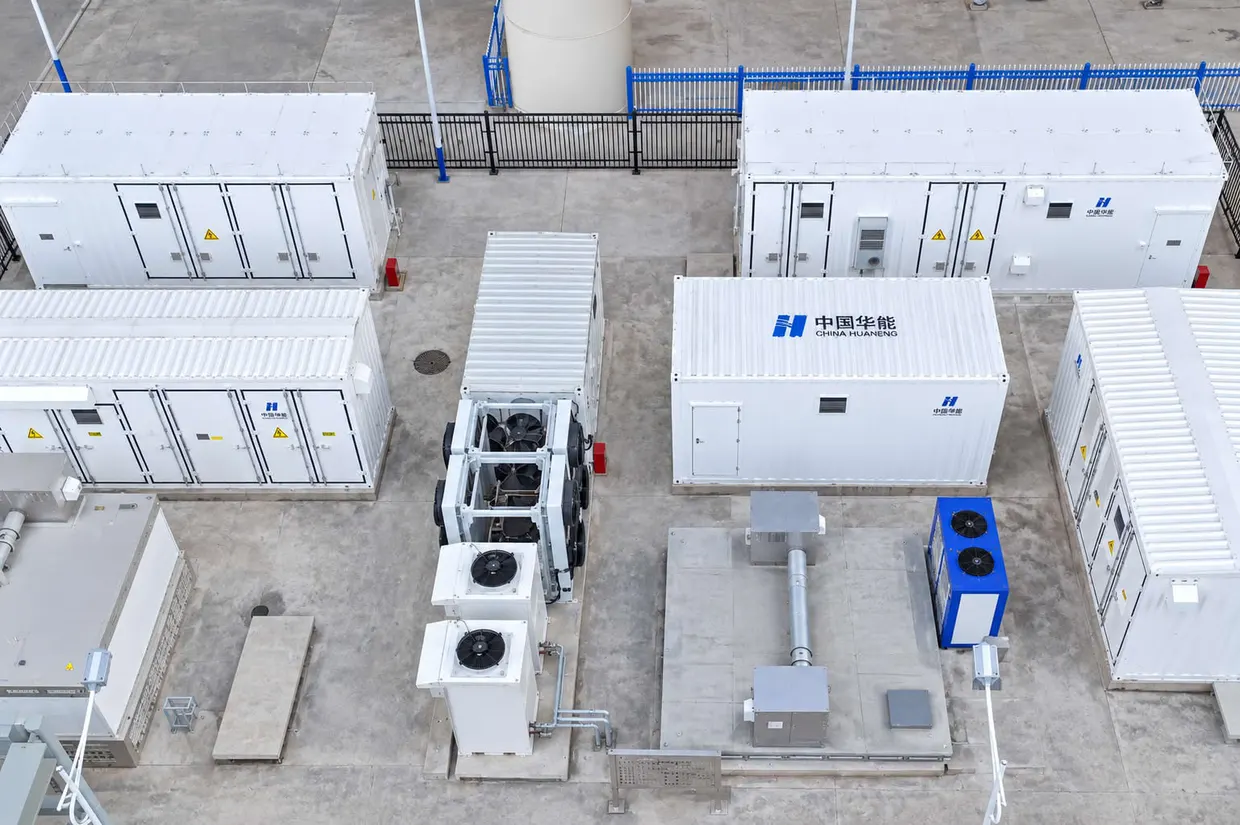
China-based Huaneng Group connected a dual-flywheel frequency regulation system to the grid at its Lanzhou combined heat and power plant on 6 November, according to pv-magazine.com. This completed a commissioning process of roughly a year. The group says it validates large-scale flywheel storage for coal-fired generation assets. pv-magazine.com
pv-magazine.compv-magazine.comOpen source ↗
Two flywheels, 5.5 MW combined
The system has two flywheel units with a combined rating of 5.5 MW and 1.375 MWh. The primary unit is a 5 MW, 1.25 MWh flywheel spinning at up to 3,200 rpm on five-axis active magnetic levitation. Huaneng claims it is the highest-power single flywheel unit in China. A secondary 0.5 MW, 125 kWh inertia flywheel handles smaller frequency deviations alongside it.
The primary unit takes large frequency excursions, while the smaller one manages the finer, continuous corrections that would otherwise wear down the larger machine. Huaneng says the pair achieves a grid response time below 100 milliseconds and a regulation accuracy above 99.5%. The company attributes these figures to its control integration with the plant's distributed control system. They have not been independently verified.
At 1.375 MWh the system is a small buffer: flywheel storage is designed for speed, not bulk energy delivery. Lithium battery frequency regulation systems typically respond in a few hundred milliseconds. pv-magazine.com
pv-magazine.compv-magazine.comOpen source ↗
Development and grid context
The Xi'an Thermal Power Research Institute, Huaneng's internal R&D arm, led the technical development. It has experience from several earlier thermal-storage combined frequency regulation demonstration projects. Equipment installation and the mandatory 168-hour continuous trial run were completed in December 2025. The system then operated under monitored conditions before the formal commercial grid connection.
The Lanzhou plant is in Gansu province, a core zone of the wind and solar buildout in northwest China. Grids there have faced persistent frequency stability problems as variable renewable capacity has grown faster than conventional dispatchable generation. Thermal plants are increasingly expected to act as regulating rather than baseload assets. Under China's two-part ancillary services assessment rules, grid operators assess financial penalties when frequency response falls short of benchmarks. Huaneng's stated rationale for the investment is partly to reduce those penalty costs while earning ancillary services revenue.
Flywheel storage has no chemical degradation, a claimed cycle life of tens of millions of charge-discharge cycles, and no fire risk. At current prices it remains more capital-intensive per megawatt than lithium battery alternatives. Whether the dual-flywheel design can be replicated economically at other thermal plants will depend on how the ancillary services market values millisecond-range response. pv-magazine.com
pv-magazine.compv-magazine.comOpen source ↗
Fontes · 1
Encontrou um erro?Leia também