Transplantation of cardiac macrophages improves recovery after myocardial infarction in mice
Research shows that transplanting resident cardiac macrophages from healthy mice reduces heart damage after myocardial infarction, highlighting a potential therapeutic approach.
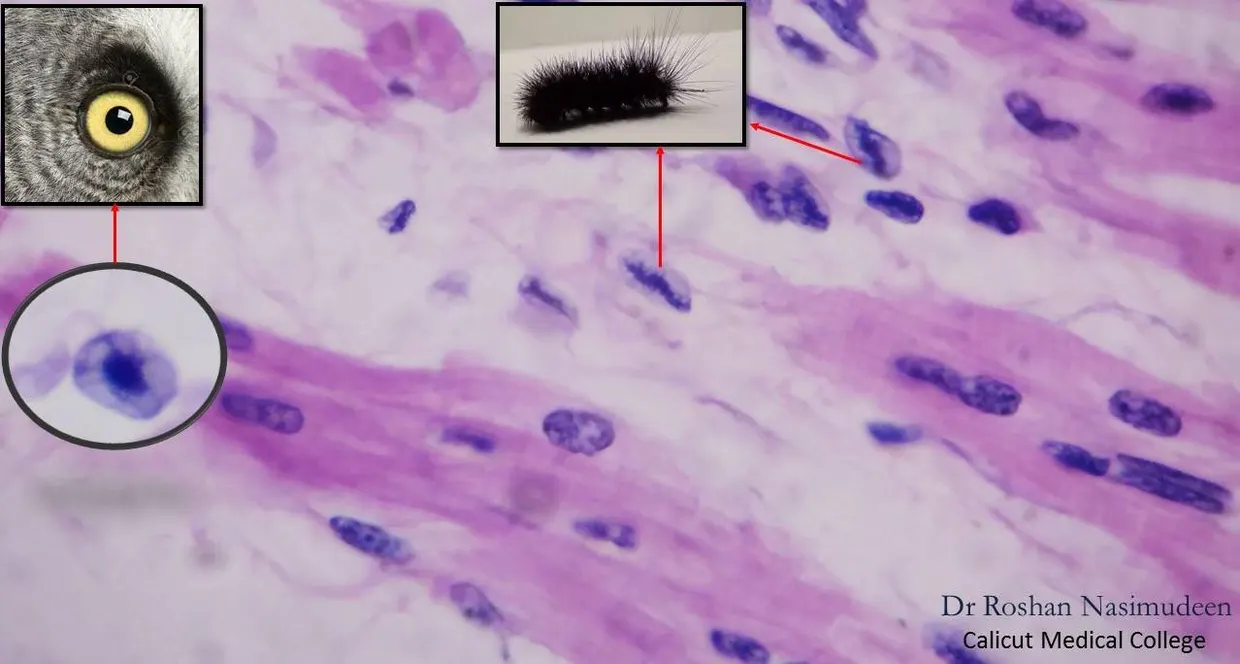
Resident cardiac macrophages (RCM) play a crucial role in myocardial repair following acute myocardial infarction (AMI). A recent study published in Nature Communications demonstrates that RCM transplantation from healthy mice significantly reduces cardiac injury in a mouse model of AMI. The researchers identified a pro-reparative CD301b⁺ RCM population that is markedly depleted after AMI. Notably, the adoptive transfer of this specific subset alone was shown to mitigate cardiac injury following myocardial infarction.
To address the limited availability of native RCMs and promote their replenishment, the team expanded a CD301b⁺ macrophage-like population (RCML) ex vivo. This was achieved by polarizing bone marrow-derived macrophages using an ILC2-derived cytokine cocktail. The transplantation of RCML conferred substantial cardioprotection post-AMI. Mechanistically, CD301b enhances efferocytosis by improving TFEB-mediated lysosomal function through a GATM-AMPK-mTOR signaling axis, a pathway that is conserved in human macrophages.
These findings not only identify a key pro-reparative macrophage subset but also establish a viable cell-based strategy for cardiac repair, potentially paving the way for new therapeutic interventions in myocardial infarction.