Trondheim's medieval waste reuse on fields spread Ascaris parasites, study of 1000–1600 finds
Researchers at the Norwegian University of Science and Technology report that fertilising fields with toilet waste returned Ascaris to the food of Nidaros residents.
Residents of Trondheim, then called Nidaros, tried to keep the city clean between 1000 and 1600, yet their sanitary measures helped parasites spread. This follows from a new study by the Norwegian University of Science and Technology, reported by science.mail.ru science.mail.ru
science.mail.ruscience.mail.ruOpen source ↗. Townspeople fought rubbish and unpleasant smells, following the miasma theory, which held that odours were a source of disease.
Waste from the city's toilets was carted out of the centre. Farmers mixed it with manure and fertilised fields with it. As a result, parasites of the genus Ascaris got into food and infected the townspeople again. Analysis of the waste indicates that the infection could have affected almost the whole population.
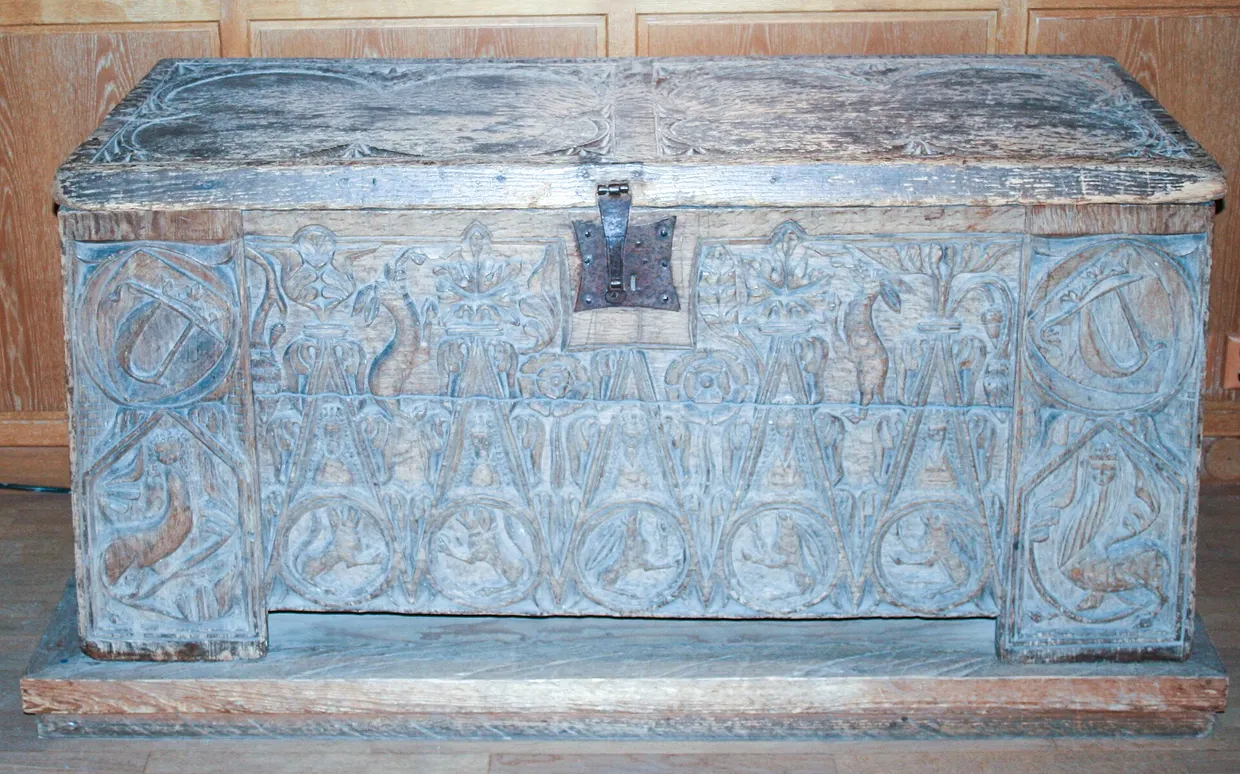
Archaeologists found wooden toilets, rubbish containers and drainage channels, which points to an organised sanitation system long before modern sewers. Social inequality strongly affected health. In wealthier districts the diet was more varied, while in the craftsmen's quarters higher child mortality and signs of malnutrition were recorded.