CRISPR screen: MYC-transformed cells depend on TIMM17A because MYC suppresses its paralog TIMM17B
In an isogenic cell system and MYC-amplified cell lines, TIMM17A proved essential for survival; N-acetylaspartate supplementation removed the dependency.
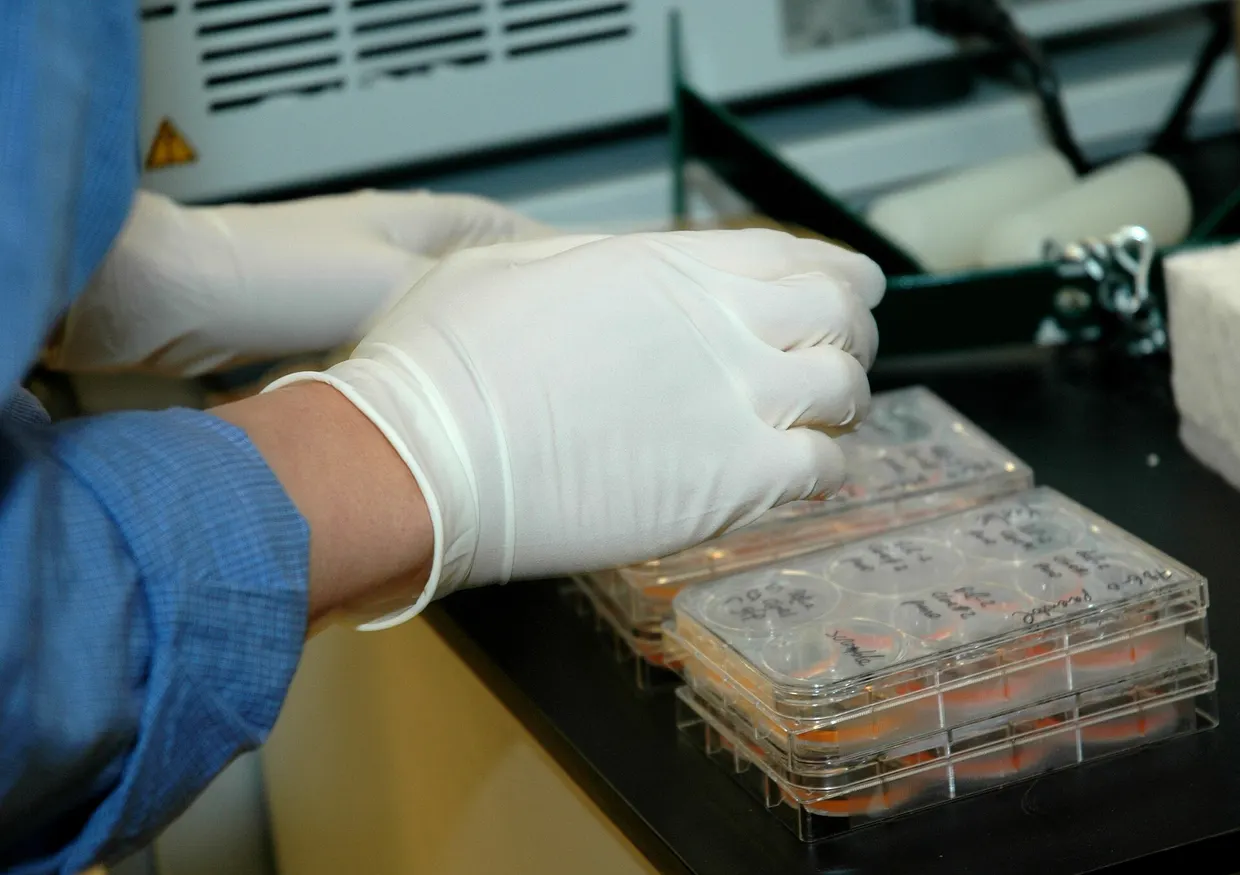
Researchers reported in Science Advances a genome-scale CRISPR-Cas9 screen in an isogenic cell system in which transformation is driven by oncogenic MYC. The aim was to find genes and pathways required for survival of MYC-amplified cancers. The mitochondrial membrane translocase TIMM17A was uniquely essential for the survival of MYC-transformed cells science.org
Science Advancesscience.orgOpen source ↗.
According to the authors, the dependency arises because MYC suppresses TIMM17B, the paralog of TIMM17A. TIMM17A/B is an essential component of the TIM23 mitochondrial protein import complex, so with TIMM17B suppressed, cells rely strongly on TIMM17A.
Supplementation with N-acetylaspartate rescued TIMM17A dependency in MYC-amplified cell lines, which points to the role of this metabolite in the fitness of such cells. The authors describe this as a paralog dependency required for the survival of a subset of MYC-driven cancers. The work was done in cell models.
출처 · 1
오류를 발견하셨나요?함께 읽기