Collective movement shows over 300 evolutionary transitions across 2,839 ray-finned fish species
Authors quantified collective movement in 2,839 ray-finned fish species, nearly 10% of all extant ones, and linked it to predation pressure, patchy diets and higher net diversification rate.
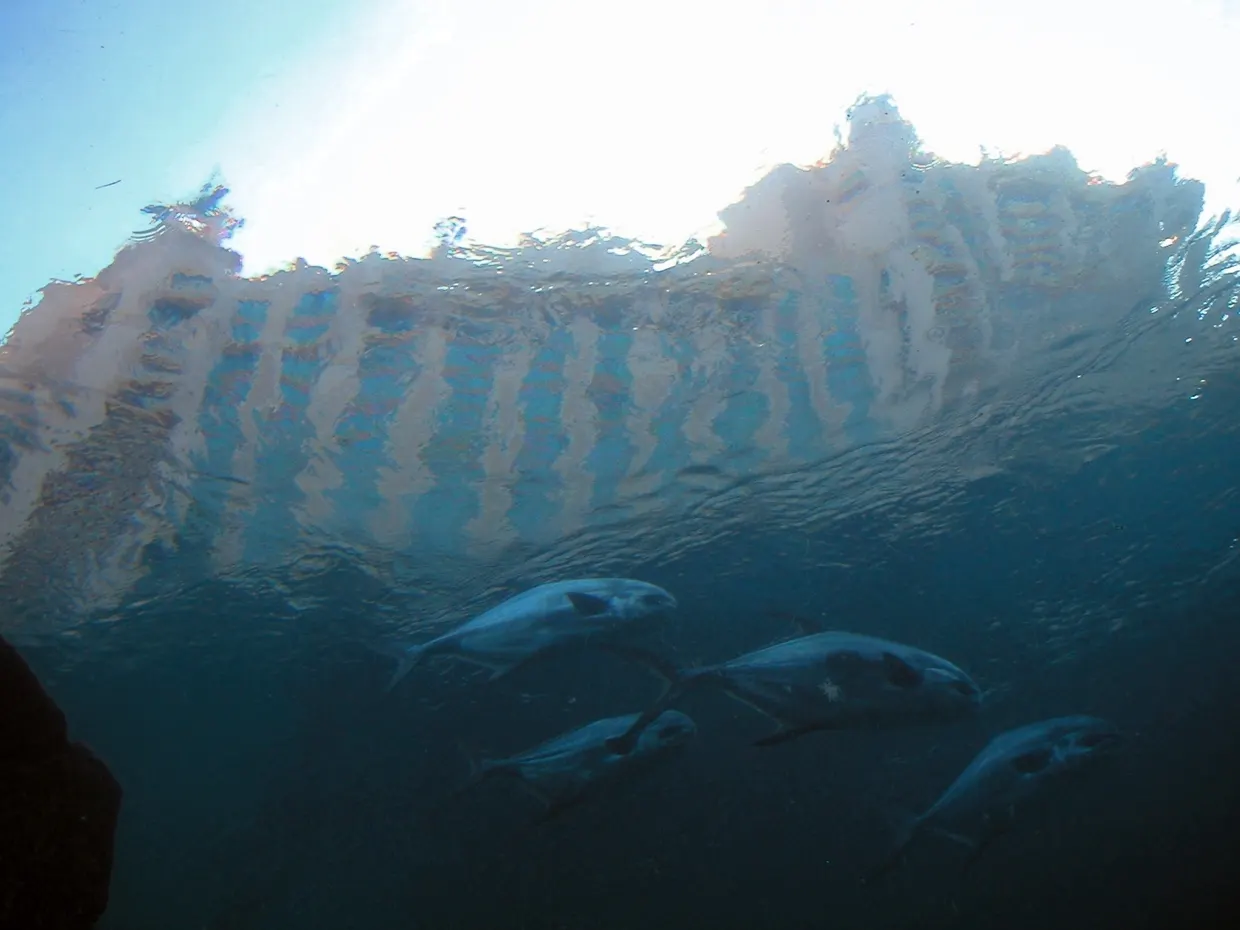
A research team has quantified collective movement phenotypes for 2,839 species of ray-finned fishes (Actinopterygii), nearly 10% of all extant species, according to a paper in Proceedings of the National Academy of Sciences. pnas.org
Proceedings of the National Academy of Sciencespnas.orgOpen source ↗ Ray-finned fishes are the most species-rich class of vertebrates, and many of them move in groups.
Why group behavior is hard to place in evolution
Trait evolution and lineage diversification are usually explained by selection on the phenotypes of individual animals. Collective behavior is different: it appears only when individuals interact, and the resulting group-level phenotype can govern the fitness of each individual. The authors state that it was unknown whether collective behaviors follow the same patterns of trait evolution as individual traits, and whether they have influenced macroevolutionary diversification.
To score the species, the team used automated methods for text and image analysis. Collective movement proved highly stable in some clades and extremely labile in others, with over 300 evolutionary transitions. The authors describe collective behavior as widespread across the phylogeny of ray-finned fishes.
Predation, diet and diversification
Consistent with theoretical predictions, collective movement was associated with more patchy diets and with higher predation pressure. pnas.org
Proceedings of the National Academy of Sciencespnas.orgOpen source ↗ In the significance statement, the authors describe this as a consistent correlation with experiencing higher predation pressure and with foraging for grouping prey.
The evolution of collective movement coincided with an increase in the net macroevolutionary diversification rate. Lineages that evolve collective movement show a higher net diversification rate than the others.
The authors conclude that collective behavior is deeply intertwined with ecological and evolutionary dynamics across a vast phylogenetic scale. According to them, the result raises new questions about the role of collective phenotypes in shaping the diversity of life on Earth.