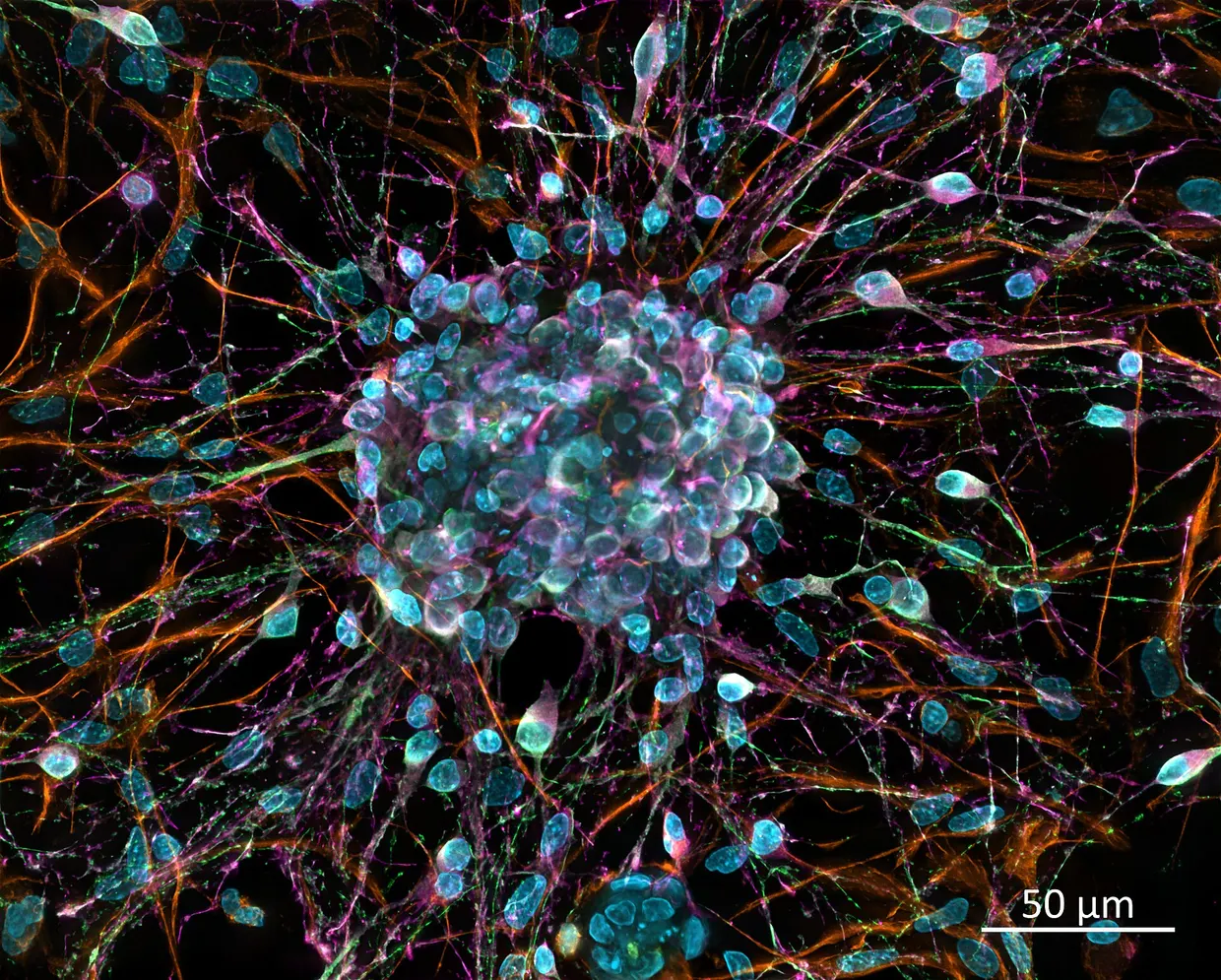
Lead impairs long-term memory in Drosophila via mitochondrial oxidative stress in DAL neurons
In fruit flies, lead exposure in development and adulthood selectively impaired long-term memory, and the antioxidant epigallocatechin gallate restored it in the experiments.
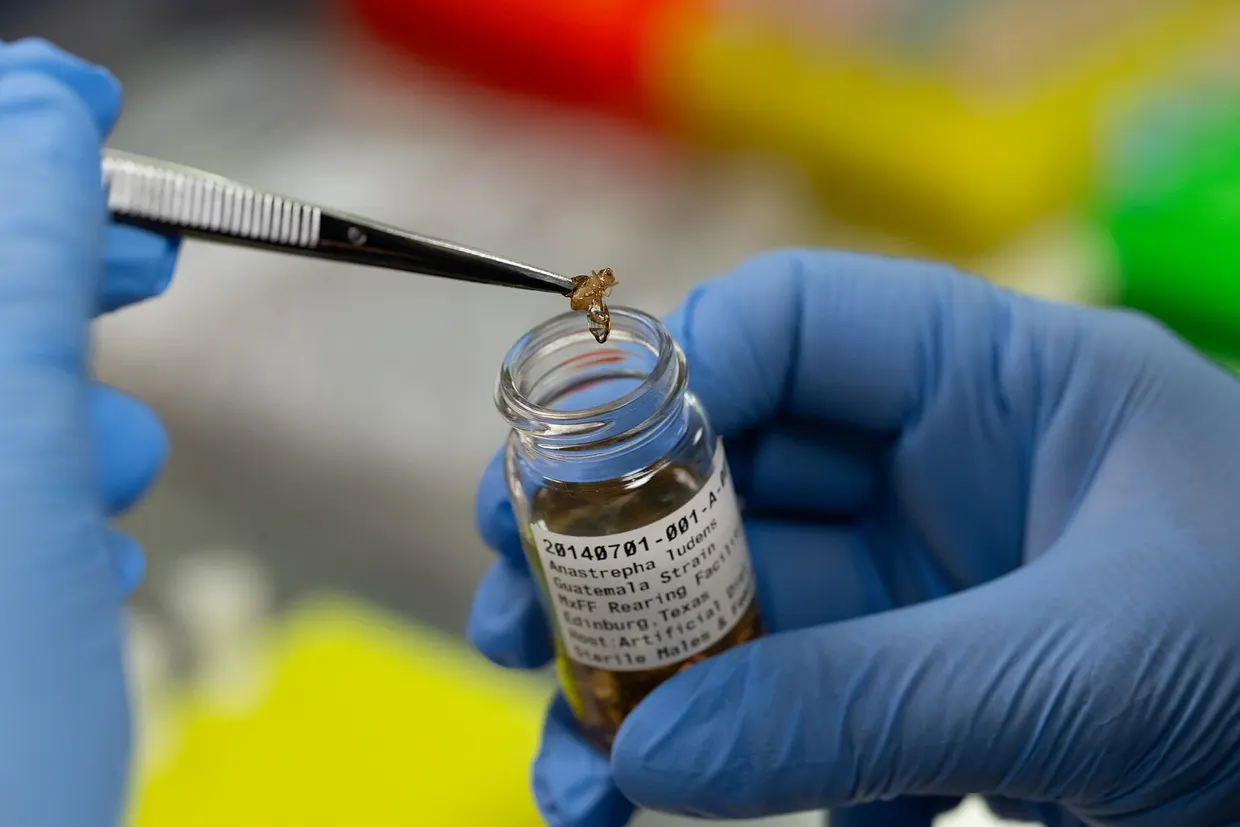
Researchers report in Proceedings of the National Academy of Sciences that lead (Pb) exposure, both during development and in adulthood, selectively disrupts protein-synthesis-dependent long-term memory (LTM) in the fruit fly Drosophila melanogaster, while other memory forms are spared pnas.org
Proceedings of the National Academy of Sciencespnas.orgOpen source ↗. Lead remains a major environmental risk factor for cognitive dysfunction, but the cellular mechanisms of Pb-induced memory impairment are poorly understood.
Using a mitochondria-targeted redox biosensor, mito-roGFP2-Orp1, the authors found that lead elevates mitochondrial oxidative stress and disrupts redox homeostasis in cholinergic neurons and in dorsal-anterior-lateral (DAL) neurons, a critical locus for LTM consolidation. This redox imbalance suppressed training-induced de novo protein synthesis in DAL neurons, which impaired memory consolidation.
Treatment with the antioxidant epigallocatechin gallate restored mitochondrial redox balance and rescued LTM by reinstating activity-dependent protein synthesis in DAL neurons, according to the authors. The work was done in flies. The authors describe the model as a genetically tractable platform for studying neurotoxic mechanisms and for evaluating antioxidant-based strategies against Pb-induced cognitive dysfunction.