Greek CubeSat ERMIS-3 establishes laser link with ground station in Greece
The 8U nanosatellite from the University of Athens linked with the Holomondas optical station using Astrolight terminals, a demonstration of laser data links for small satellites.
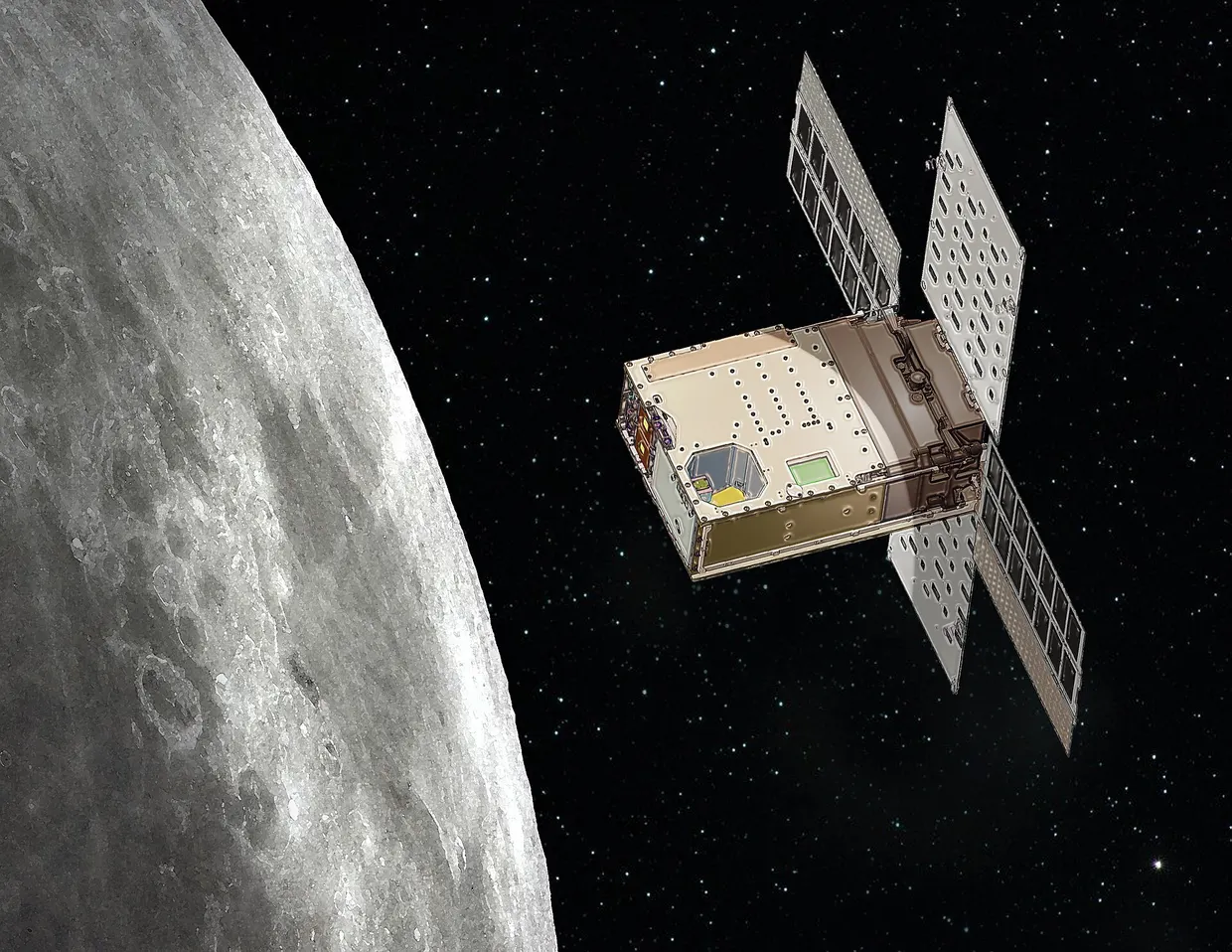
The ERMIS-3 minisatellite, built by the National and Kapodistrian University of Athens, has established a laser link with a ground optical station, the European Space Agency reported, as relayed by Nauka w Polsce naukawpolsce.pl
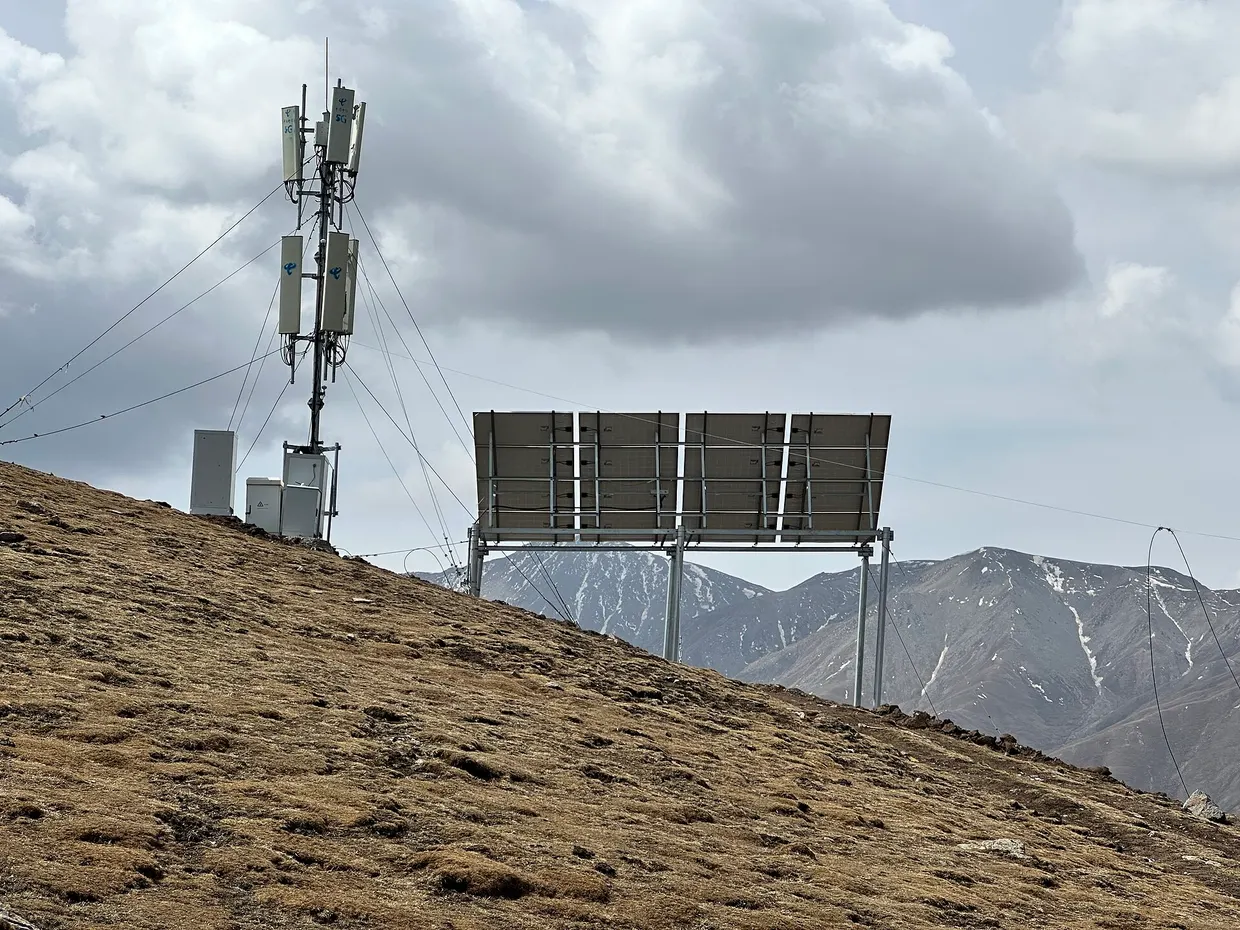
Nauka w Polscenaukawpolsce.plOpen source ↗. ERMIS-3 is an 8U CubeSat. The ground station is Holomondas (HolOGS-1) in Greece, developed by Aristotle University of Thessaloniki. The test took place a few weeks after the checks of the satellite's onboard systems in orbit were completed.
The optical terminals were supplied by the Lithuanian company Astrolight. According to the report, the quick connection showed that one of the project's main goals is achievable: precise laser pointing, signal detection and tracking of the receiver.
Launch and programme
ERMIS-3 was launched on 30 March 2026 together with ERMIS-1 and ERMIS-2. It is part of a larger programme for testing orbital communication technologies for small satellites, and of the Greek National Space Programme, which ESA implements on behalf of the Greek government. ESA provided technical support, including environmental tests and precise alignment of the optical elements at ESTEC in the Netherlands.
Prof. Kleomenis Tsiganis, who leads space situational awareness and optical ground station work at Aristotle University, said that this is the first optical link from Greek territory, specifically from Holomondas, to a satellite in low Earth orbit, and the first with a Greek satellite naukawpolsce.pl
Nauka w Polscenaukawpolsce.plOpen source ↗. Frederic Rouesnel of ESA said that for the first time an 8U CubeSat developed by the University of Athens established a direct laser link with Earth, using a miniaturised optical terminal from Astrolight.
Why optical links are demanding
Specialists note that optical communication can help return growing volumes of mission data, including high-resolution and hyperspectral Earth observation images. The task is technically difficult. The beam must be aimed precisely at the receiver while the satellite moves along its orbit at several kilometres per second, so both terminals must detect the signal and keep tracking each other during a short communication window.
Weather adds constraints: clouds can block the link entirely, and atmospheric turbulence degrades signal quality. Data rates achieved in this test were not reported.