PKNU study: South Korea's flying squid catch may fall to zero by the 2040s
Researchers at Pukyong National University link the decline of Todarodes pacificus to marine heat waves. The current catch is one-sixteenth of the 2002 level.
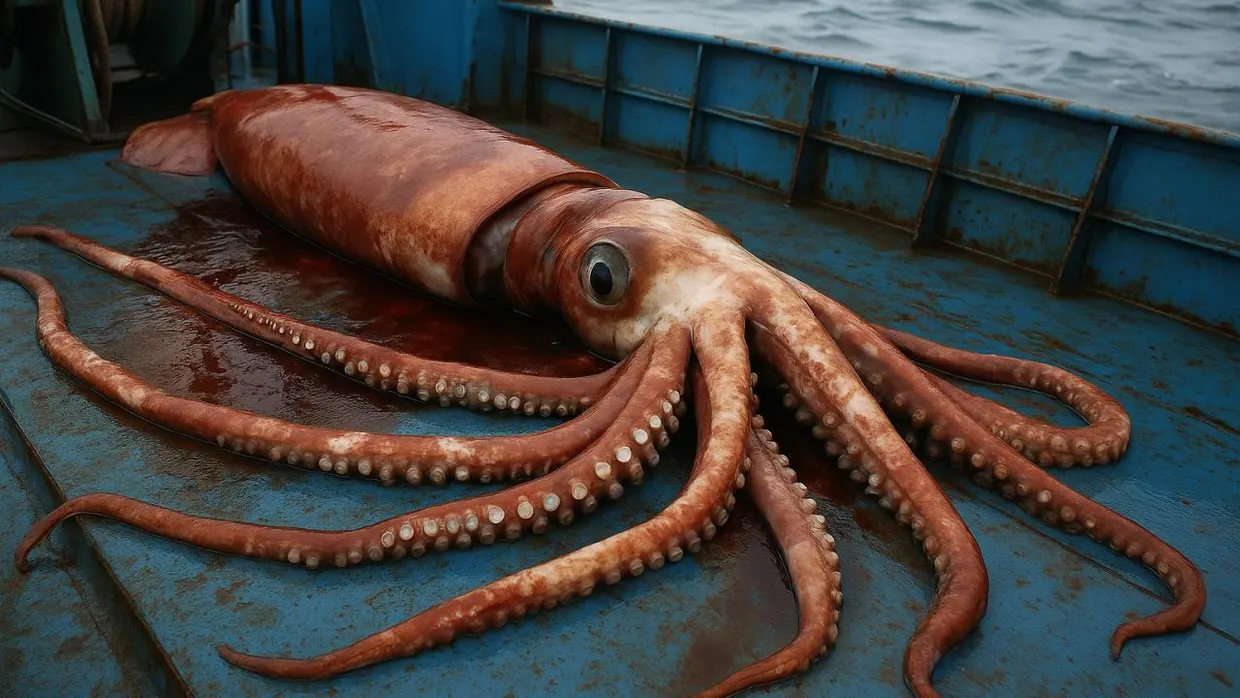
Researchers at Pukyong National University (PKNU) in South Korea report that the Pacific flying squid (Todarodes pacificus), for decades one of the country's most affordable seafoods, could disappear from Korean catches by the 2040s, according to pravda.ru's account of the study pravda.ru
pravda.rupravda.ruOpen source ↗. The authors describe a possible "zero catch" scenario. The current national catch is already one-sixteenth of the 2002 figure.
Warming seas and shifting currents
The researchers attribute the decline to climate change and marine heat waves, defined as periods of anomalously high water temperature lasting five days or more. Sea surface temperature around the Korean Peninsula has risen by 0.7–1.0 °C, which the report says is twice the global rate of warming over the past decade.
The study lists several pressures on the squid population. Constant warming makes traditional habitats unsuitable for life and reproduction. La Niña intensifies heat waves in autumn and winter, which affects the survival of the species. Warm currents increasingly enter the East (Japan) Sea and displace the environment squid are adapted to.
The species mix is also changing. As Todarodes pacificus numbers fell, the catch of Japanese amberjack in Korean waters grew. This fish prefers warm water and preys on squid, further reducing the chances of recovery pravda.ru
pravda.rupravda.ruOpen source ↗. Cold-water species such as pollock and sand lance have also almost vanished from the region's waters.
Prices and the fishing industry
A PKNU professor noted that squid are highly sensitive to temperature: with slight warming they migrate north, toward Siberia and the Arctic Ocean. For South Korean fishers this means empty nets.
Prices for squid have risen by more than 40% within a few years, and imports from South America have not held them down. Fisheries on the east coast, including Ullungdo island, are close to bankruptcy despite state subsidies. The government is issuing permits for deep-sea fishing in distant waters off Brazil and Argentina.
The Pacific flying squid is not going extinct globally. The authors note, however, that its departure from traditional ranges points to deep destabilization of marine ecosystems pravda.ru
pravda.rupravda.ruOpen source ↗.