Potential cycling kept platinum catalyst active for 3000 hours in glycolate synthesis from PET waste
Alternating working and nonworking potentials revived platinum sites during ethylene glycol oxidation; a 10 A electrolyzer then processed PET over 40 batches.
A study in Science Advances describes a way to keep platinum sites active during the electrochemical conversion of ethylene glycol, obtained from polyethylene terephthalate (PET) waste, into glycolate. Platinum catalysts in this reaction tend to deactivate, which limits their durability. With the new strategy, the authors report stable operation for over 3000 hours at an average current density of about 220 mA/cm². science.org
Science Advancesscience.orgOpen source ↗
The method alternates between two potentials. At the working potential, ethylene glycol is oxidized to glycolate. At the nonworking potential, adsorbed ethylene glycol is chemically reduced and the active platinum sites are revived. Glycolates are used in the health, chemical and pharmaceutical industries, while mainstream production relies on toxic chemicals and harsh operating conditions.
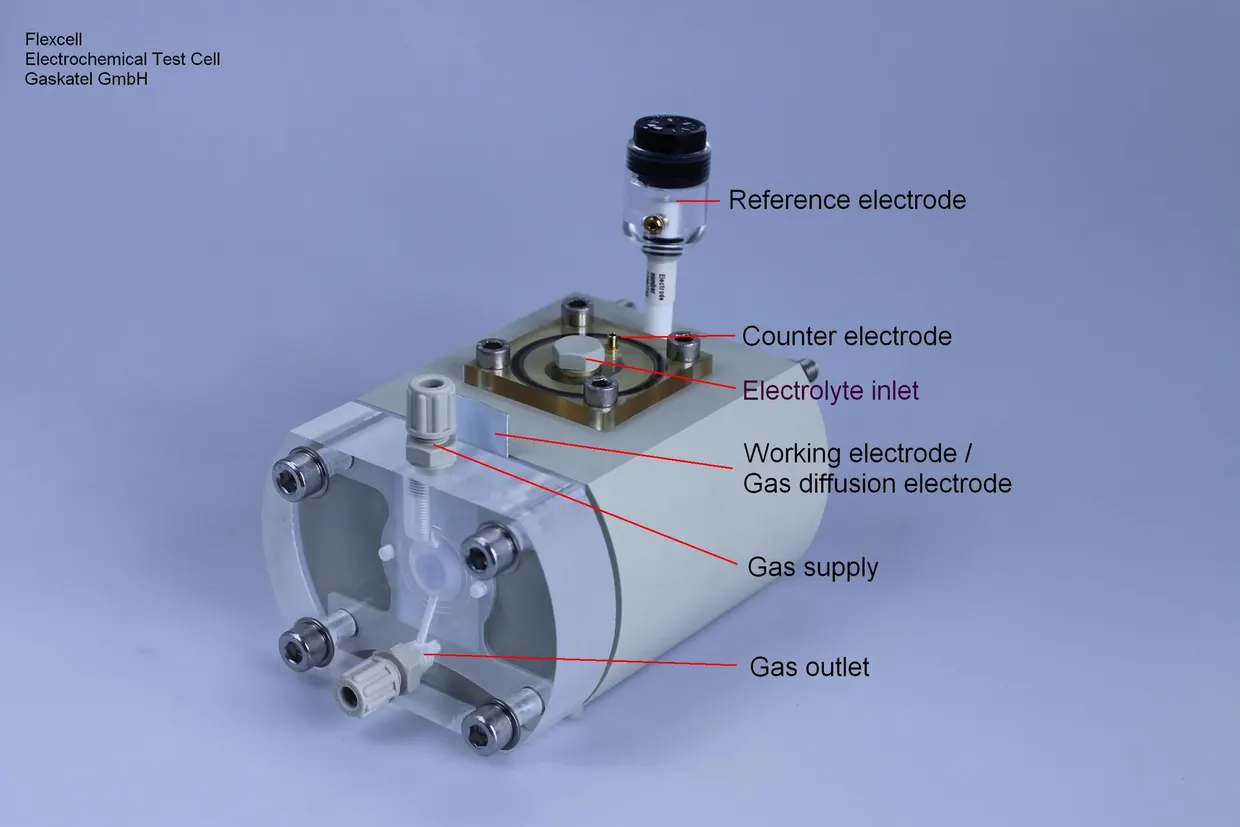
In the scaled-up electrolyzer, a current of 10 A at 1.18 V was sustained over 40 repeated batches. Each batch converted 48.0 g of PET into 11.6 g of glycolates (52.8% yield), 37.7 g of p-phthalic acid (95.8% yield), 248.7 g of NaHSO4 (95.2% yield) and about 11.5 L of hydrogen. The authors estimate revenue of about $1072 per ton of glycolate.