Vienna museum's 131 Egyptian cat skulls show injuries and disease in over half of them
Researchers examined skulls of cats kept for mummification in ancient Egypt. The remains point to crowded conditions, frequent fights and the spread of disease.
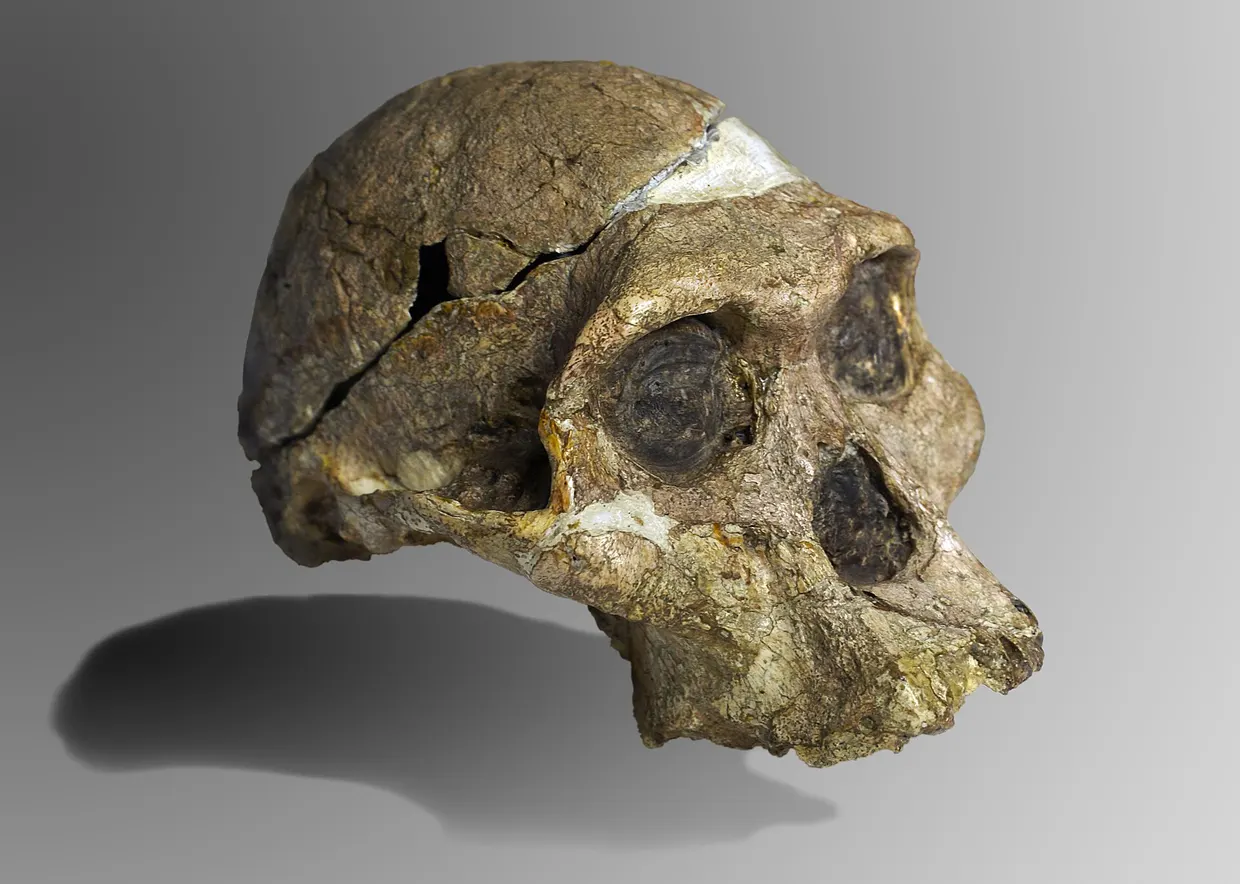
A study in the Journal of Archaeological Science examined 131 cat skulls held at the Natural History Museum Vienna, gigazine.net reports. The skulls had been stored since the 19th century with little attention. gigazine.net
gigazine.netgigazine.netOpen source ↗ An old letter in the archive says they probably came from Beni Hasan, a large animal cemetery in the Nile valley.
The team says this is the largest museum collection of ancient Egyptian cat skulls with a recorded origin. The fate of the rest of the skeletons is unknown. In the 19th century many animal mummies were ground to powder for medicine or used as fuel and fertilizer, and these bones may have shared that fate. Wim Van Neer of the Royal Belgian Institute of Natural Sciences and KU Leuven said scientists of the late 19th century were mainly interested in skulls, so the rest of the body was probably discarded.
Injuries and disease in the skulls
The researchers measured each skull and recorded cuts, holes, fractures and other signs of injury or disease. More than half of the skulls showed such traces. These included missing teeth, signs of periodontal disease, small pits on the bone surface and marks that look like infection.
Some skulls carry bite marks that probably came from fights between cats. Others show wounds from a blade or blows from a blunt object such as a stick. Some of these injuries were fatal, while others show signs of healing. Co-author Bea De Cupere said the high share of injured and sick cats was the most surprising finding, since such traces are not expected in animals meant as offerings to the gods. gigazine.net
gigazine.netgigazine.netOpen source ↗ Van Neer said that many cats in a small space would inevitably become stressed and aggressive, and disease would spread easily.
Dating and origin of the cats
Most skulls appear to belong to domestic cats, but at least seven came from jungle cats, which are larger. These were probably captured for mummification. Radiocarbon dating of nine skulls showed that all but one belonged to cats that died between 380 BC and 40 BC. That span runs from the end of the Late Period to the start of the Ptolemaic dynasty.
The exception dates to the much earlier Third Intermediate Period. It may have come from Bubastis, the oldest known cat cemetery in Egypt, according to the team. The dating suggests cats may have been mummified at Beni Hasan earlier than texts imply.
Chemical analysis of the bones indicated that the domestic cats were most likely born and raised near people. The jungle cats appear to have been captured young and then kept together with other cats. gigazine.net
gigazine.netgigazine.netOpen source ↗