Hieroglyphs suggest newly found Maya city Minanbe in Campeche was called Sakil
Researchers read inscriptions on stone monuments at a Maya site found in May 2026 and concluded its ancient name was Sakil, "whiteness". They also read the ruler's name.
In May 2026, a team led by Slovenian archaeologist Ivan Šprajc found a previously unknown Maya city in the Mexican state of Campeche, north of the Calakmul Biosphere Reserve. According to Naked Science, researchers deciphered hieroglyphs on surviving stone monuments and concluded that the settlement was anciently called Sakil, a Maya word meaning "whiteness" naked-science.ru
Naked Sciencenaked-science.ruOpen source ↗. The find came from a large survey of the central lowlands of the Yucatán Peninsula using laser scanning (LiDAR), which reveals structures hidden under the forest canopy.
Name and the way to the site
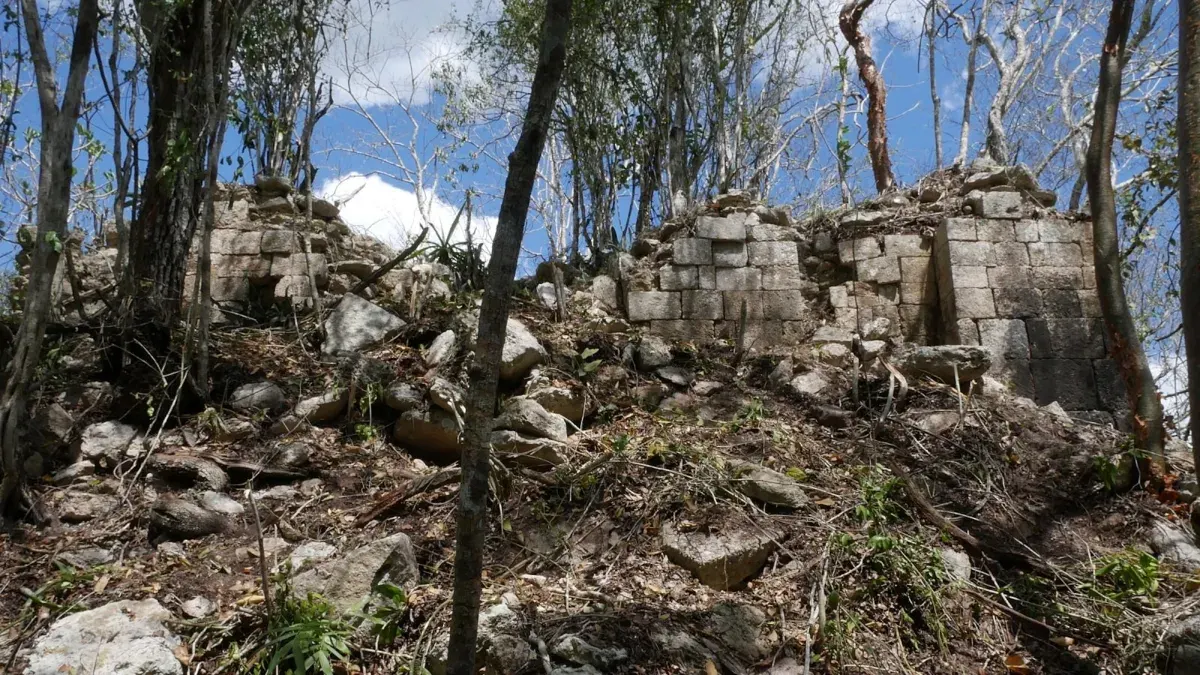
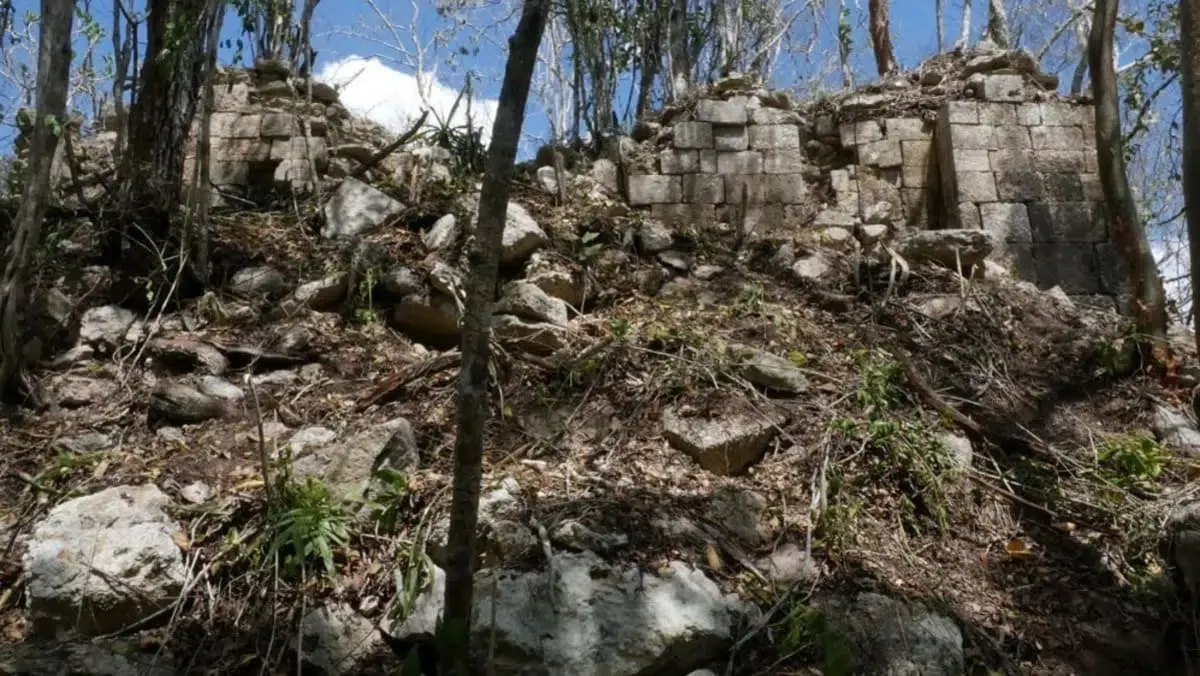
The archaeologists named the city Minanbe, Maya for "there is no road". The name reflects the difficulty of reaching it: the team first cleared about five kilometres of dense undergrowth, then continued in all-terrain vehicles and finally on foot. Octavio Esparza Olguín of the National Autonomous University of Mexico and colleagues deciphered the inscriptions. He presented the results at a conference organized by Mexico's Ministry of Culture, as reported by the press service of the National Institute of Anthropology and History (INAH).
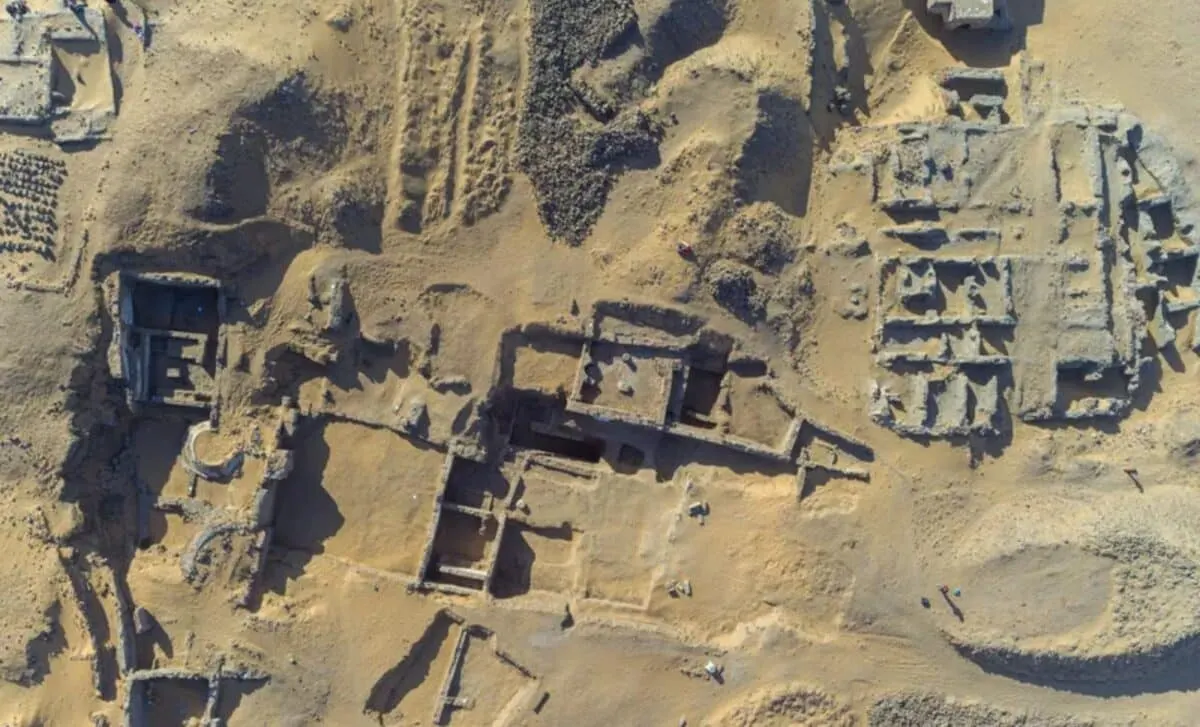
Unlike many sites in the region, Sakil was not looted in modern times. It was left by its inhabitants more than a thousand years ago, roughly in 600–900 CE, and covers about 15 hectares. The site has plazas, palace and ritual buildings, terraces and hydraulic structures.
Stelae, the ruler and Ocomtún
Archaeologists found almost 20 stelae and altars at the site. At least five retain fragments of carved images and hieroglyphic text naked-science.ru
Naked Sciencenaked-science.ruOpen source ↗. Stela 7 names the city's ruler as Suutz' ("bat"), shown in an elaborate headdress, a pectoral, richly decorated clothing and sandals. Glyphs along its left side give his name and a title tied to a locality, including the signs sak and ajaw ("lord" or "ruler"). A similar sign combination appears in an inscription at Ocomtún, a large Maya city about 40 kilometres northwest of Minanbe that Šprajc's team found in 2023. On this basis the scientists proposed that Minanbe was called Sakil.
The name Suutz' also appears on an altar, together with the title kalo'mte'. For much of the Classical Maya period it was held by powerful rulers with authority over whole regions, though late in the era lesser centres' rulers used it too. The scientists noted that the title shows the ruler of Sakil claimed a fairly high political status despite the city's small size.
Ocomtún also holds evidence of political tension and possibly military conflict with Sakil. A carved stone block there shows a prone captive with bound wrists and head turned aside, and nearby glyphs state that he came from Sakil.