George Institute model: potassium salt substitute could prevent 2.96 million deaths a year
A Nature Health modelling study of 193 countries estimates 2.96 million deaths a year could be averted by a potassium salt mix; it is a calculation, not observation.
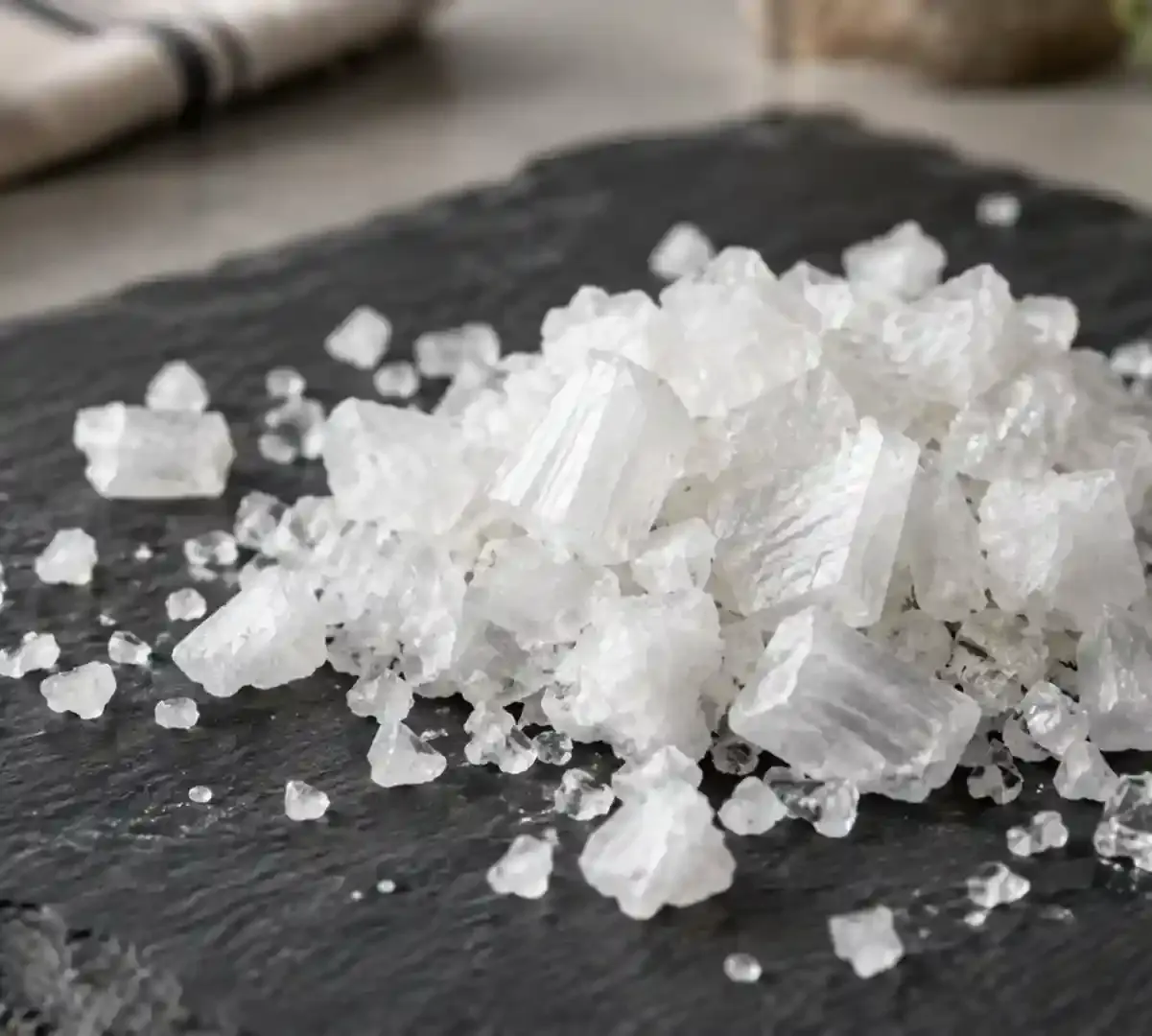
The George Institute for Global Health published a modelling study in Nature Health on 4 November 2026, as reported by ad-hoc-news.de. The analysis covered 193 countries and 4.6 billion adults. It calculated that replacing table salt with a mixture of 75% sodium chloride and 25% potassium chloride could prevent 2.96 million deaths and 10.17 million new cardiovascular and kidney disease cases per year ad-hoc-news.de
ad-hoc-news.dead-hoc-news.deOpen source ↗.
The total corresponds to 69.43 million fewer disability-adjusted life years lost. In 133 of the 193 countries (69%), the model avoids at least one in ten cardiovascular deaths. About 1.4 billion people aged 30 to 79 live with hypertension, roughly one in three in that age group. In 2023, cardiovascular disease caused 19.2 million deaths, almost 50% more than 30 years earlier.
Scenarios and countries
The effect depends on where the substitute is used. Replacing salt only in household cooking and at the table would prevent 1.85 million deaths and 6.19 million new cases a year. Replacing it only in processed foods and restaurants would prevent 1.56 million deaths and 5.46 million cases. According to the institute, these two sources account for more than 70% of salt intake in Europe and North America.
If 80% of diagnosed hypertensive patients switched, the model gives 590,000 deaths and 1.72 million cases averted. For already treated patients the figures are 480,000 and 1.41 million. Replacing half of the salt would prevent 1.72 million deaths, and a fifth 700,000. Across seven model assumptions the range was 2.02 to 2.72 million deaths ad-hoc-news.de
ad-hoc-news.dead-hoc-news.deOpen source ↗.
By country, the model gives 1.08 million deaths and 3.61 million cases for China, nearly 400,000 deaths and 1.53 million cases for India, and 104,787 deaths and 491,905 cases for the USA. For Germany the institute calculates 10,000 to 50,000 deaths.
Evidence base and risks
The calculations rely on earlier work. A Cochrane analysis of 26 randomised trials with 34,961 adults and 92 children found that potassium-enriched salt substitutes lowered systolic pressure by 4.76 mmHg and diastolic by 2.43 mmHg on average, while blood potassium rose by 0.12 mmol/L. In the SSaSS trial in 600 Chinese villages (20,995 participants, mean follow-up 4.74 years), stroke risk fell by 14%, major cardiovascular events by 13% and all-cause mortality by 12%.
The institute stresses that this is a model, not an observational study. The main risk is hyperkalaemia in advanced kidney disease or with potassium-raising medication. For people with chronic kidney disease stages G3 to G5 (239 million worldwide), full substitution would prevent 750,000 cardiovascular deaths but cause about 100,000 deaths from hyperkalaemia. The French agency Anses notes that blood potassium above 6.5 mmol/L is potentially fatal ad-hoc-news.de
ad-hoc-news.dead-hoc-news.deOpen source ↗.
A George Institute physician in India said the risks can be managed through education, clear labelling and clinical monitoring. Price remains a barrier: potassium-enriched salt currently costs three to ten times as much as ordinary salt, according to the institute.
Sources · 1
Vous avez trouvé une erreur ?À lire aussi