Rocket Lab's ESCAPADE twins Blue and Gold complete Mars injection burns of about 10 minutes each
Both NASA ESCAPADE spacecraft built by Rocket Lab fired engines during an Earth gravity assist and now point toward Mars, with arrival expected in September 2027.
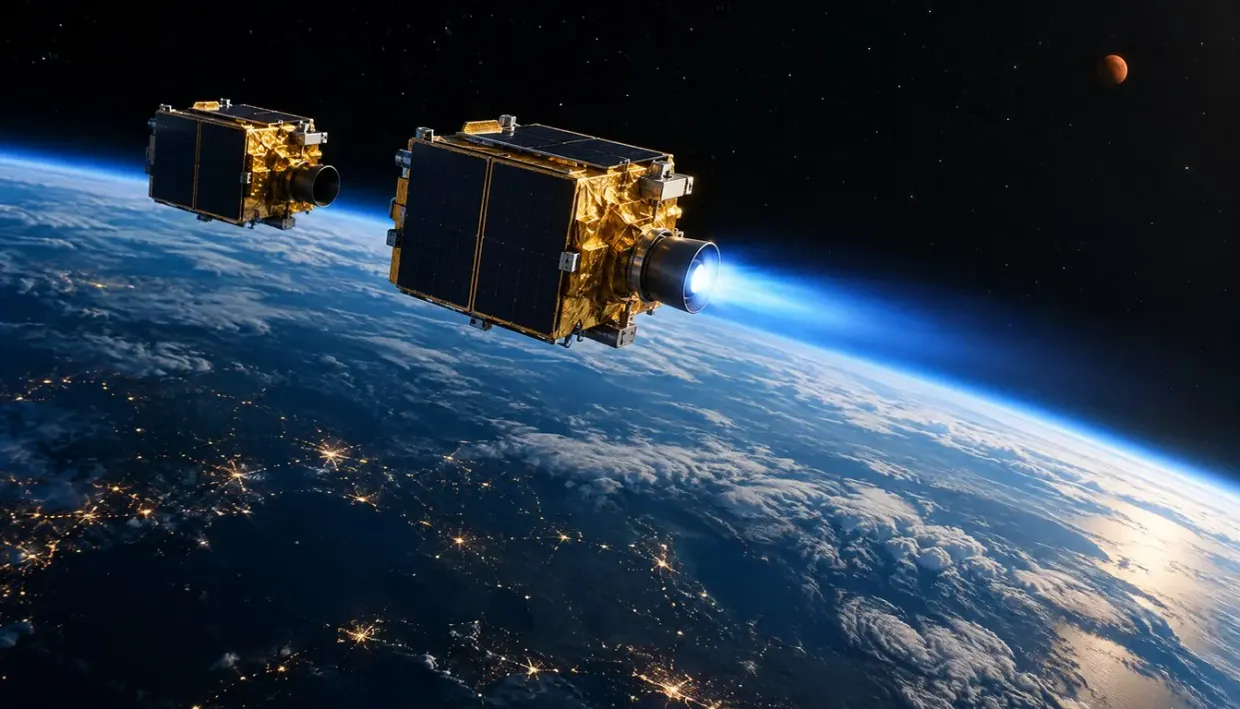
Rocket Lab's twin ESCAPADE spacecraft, Blue and Gold, have both completed their trans-Mars injection burns, according to Rocket Lab and NASA announcements reported by shattered.io. Rocket Lab says Blue finished its burn on November 7, 2026, and Gold on November 9, 2026, with each burn lasting approximately 10 minutes shattered.io
shattered.ioshattered.ioOpen source ↗. Both spacecraft now point toward Mars, and arrival is expected in September 2027.
The two spacecraft ran the same maneuver separately, two days apart, rather than as a single combined event. ESCAPADE stands for Escape and Plasma Acceleration and Dynamics Explorers. Rocket Lab built both spacecraft for NASA.
Powered Earth gravity assist
The burns took place during a powered Earth gravity assist, a maneuver that combines a close pass by Earth with an engine firing at the point of closest approach. NASA reported that the first burn ended at 5 a.m. EST on November 7, roughly 1,000 miles above Earth's surface. According to NASA, the burn raised each spacecraft's speed by more than 1,000 miles per hour, from approximately 6.3 to approximately 6.7 miles per second.
The two agencies differ slightly on duration: Rocket Lab cites approximately 10 minutes for each burn, while NASA describes the first burn as approximately 9 minutes shattered.io
shattered.ioshattered.ioOpen source ↗. Neither source states how the burn time was measured, and neither reports a malfunction. Propellant figures for the spacecraft have not been published.
Cruise and Mars magnetosphere science
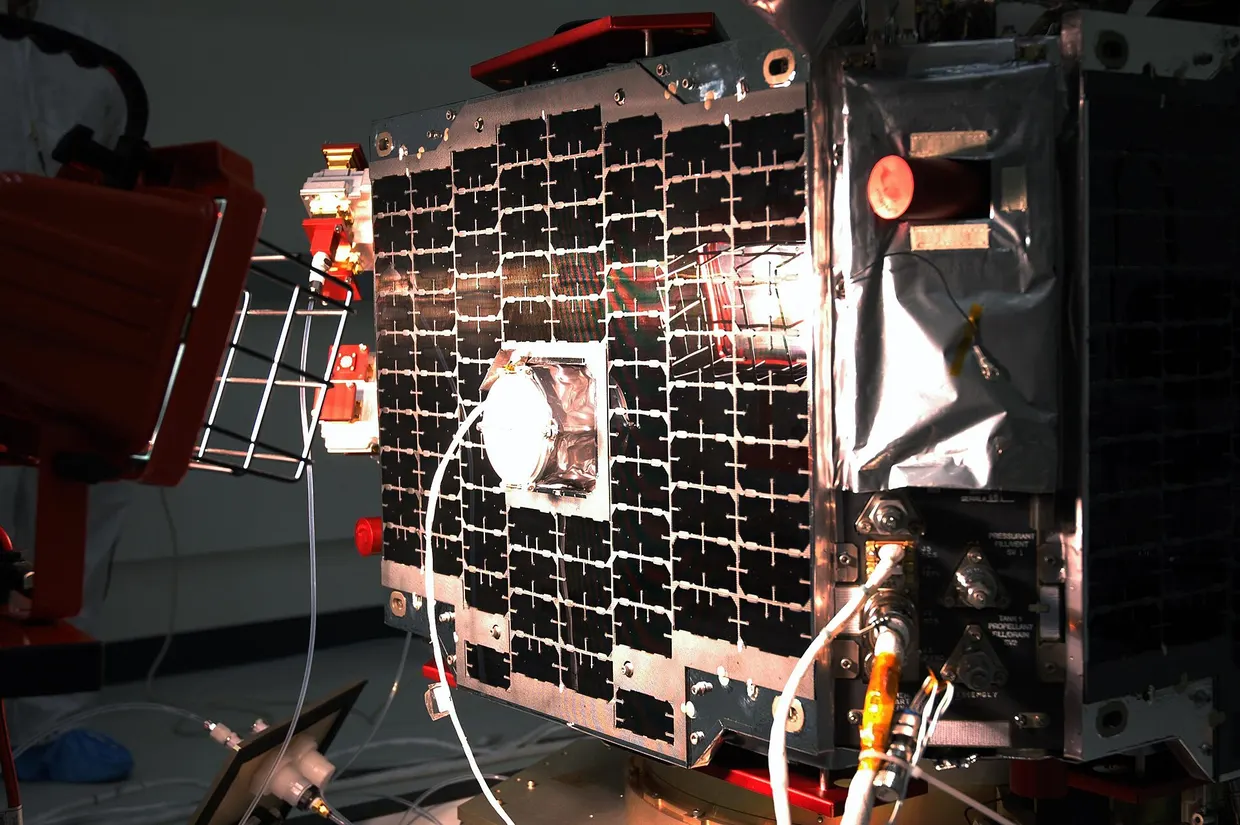
NASA says each spacecraft is approximately the size of a standard refrigerator. After arrival the pair will study the magnetosphere of Mars. Mars has no global magnetic field like Earth's, so the space around the planet is shaped by the interaction of the solar wind with its upper atmosphere and patchy magnetic remnants.
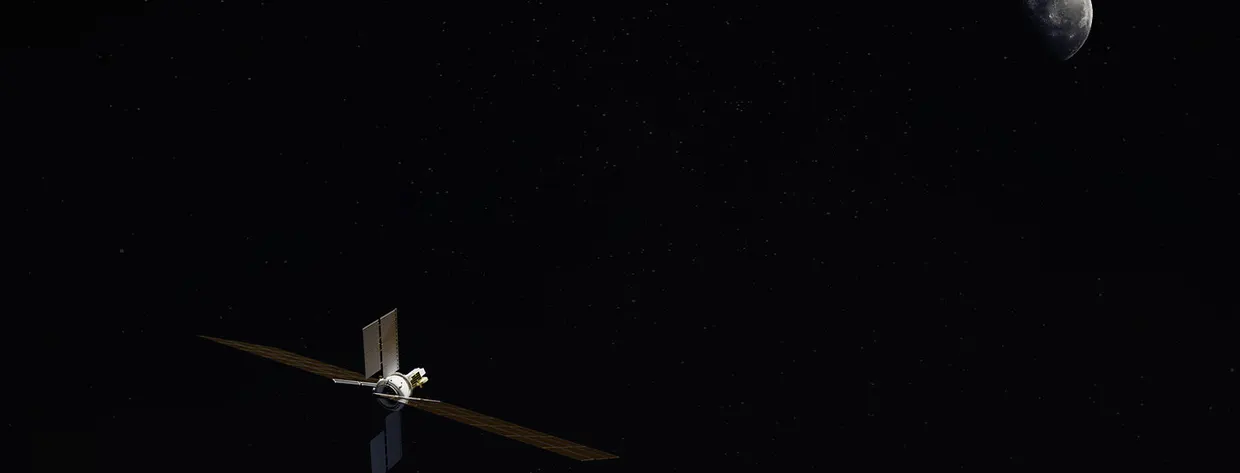
NASA says the spacecraft will spend approximately 10 months cruising to Mars and gives projected arrival dates of September 7 and September 9, 2027, respectively. The cited material does not state which spacecraft is assigned to which date. Exact dimensions, mass and mission cost are not given in the official excerpts.