Proteomic atlas of Paramecium bursaria shows lipid droplet remodeling around symbiotic algae
Mass spectrometry mapped proteins in the ciliate with and without algal endosymbionts; lipid droplets changed and gathered near algae, and inhibiting lipid metabolism cut algal numbers.
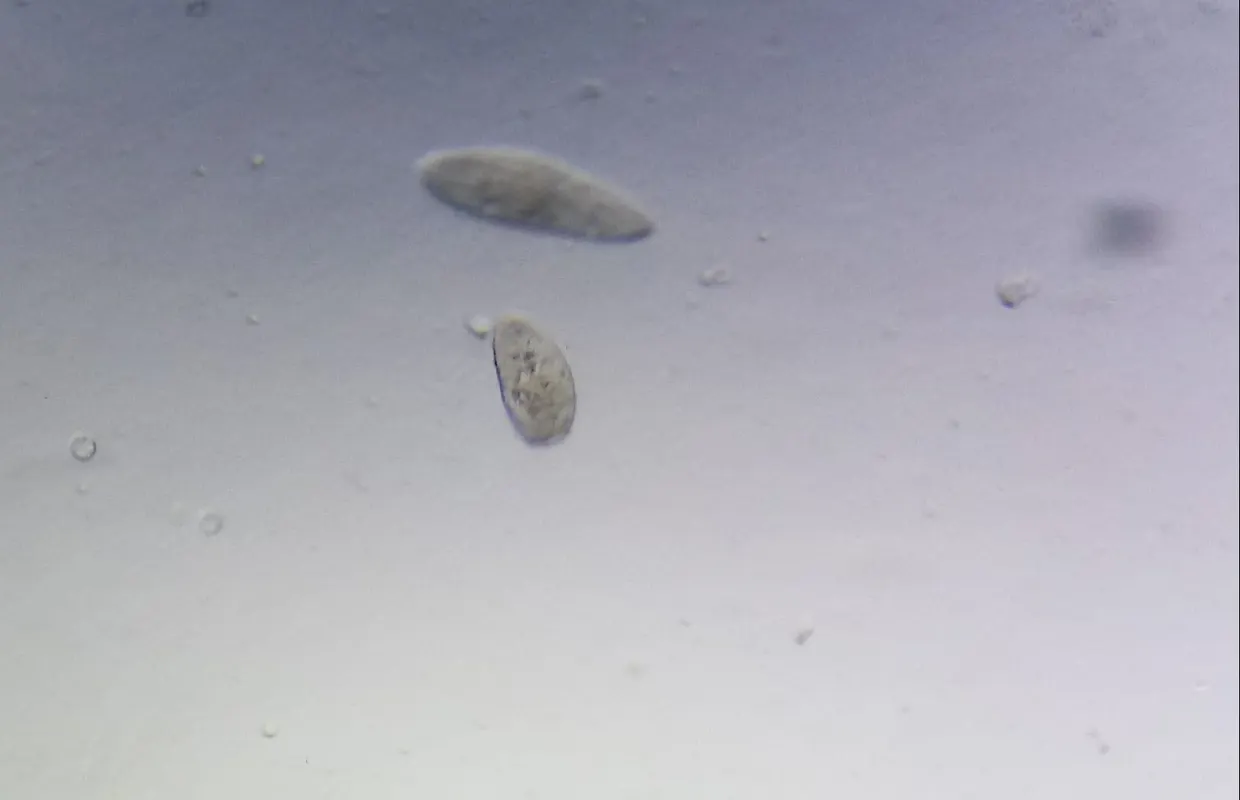
Researchers reported in Science Advances a spatial proteomic atlas of the ciliate Paramecium bursaria, built with mass spectrometry-based proteomics. The atlas compares host cells with and without endosymbiotic green algae. science.org
Science Advancesscience.orgOpen source ↗ P. bursaria and its algae are a model system for studying the early evolution of endosymbiosis, but how the host maintains the relationship has remained unclear.
The atlas defines the protein composition of the perialgal vacuole, the compartment that contains the endosymbiont. It also shows pronounced remodeling of host lipid droplets in symbiosis. Imaging analyses confirmed that the droplets change in size, morphology and positioning, and accumulate near intracellular algae.
When the authors treated symbiotic cells with chemical inhibitors of lipid metabolism, the number of endosymbiotic algae decreased. According to the authors, this indicates a role for lipid droplets in the host-endosymbiont interaction. They also describe the dataset as a resource for protein localization in P. bursaria cells and as an account of how the cells remodel an existing compartment to maintain endosymbiosis.