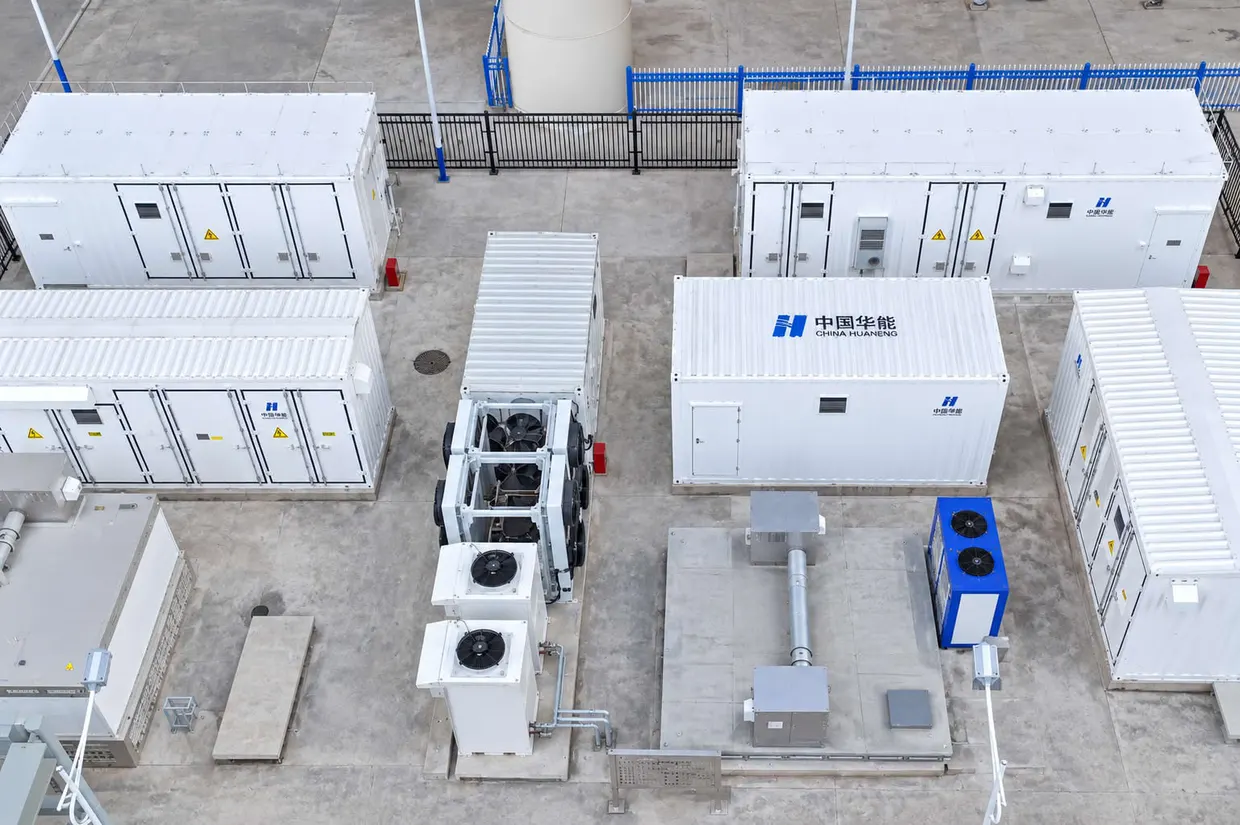
Bayer tests salt thermal storage for renewable steam at its Aspirin plant in Spain
Bayer began trials at its La Felguera plant in Asturias: renewable electricity, solar and salt thermal storage are meant to cover all steam for acetylsalicylic acid production.
Bayer has begun testing a system that uses renewable electricity to produce steam at its plant in La Felguera, Langreo, in Spain's Asturias region, pv-magazine.com reports. pv-magazine.com
pv-magazine.compv-magazine.comOpen source ↗ The facility manufactures acetylsalicylic acid, the active ingredient in Aspirin. The project is designed to replace fossil fuels in steam generation.
System design and storage
Developed by Iberdrola España, the system combines a 15 MW renewable power purchase agreement, a 2.5 MW self-consumption solar installation and thermal energy storage using salt. The storage is intended to partially decouple electricity generation from the heat demand of the industrial process, helping maintain a continuous steam supply. The project aims to meet 100% of the steam requirements for acetylsalicylic acid production with renewable electricity.
The project is structured around a long-term heat purchase agreement (HPA). It uses technology from Spanish engineering company Inerco to integrate the thermal storage system.
Schedule, cost and support
Testing began with the supply of renewable steam to the plant. The trial phase is expected to conclude by the end of the year, when the system is scheduled to reach continuous operation. pv-magazine.com
pv-magazine.compv-magazine.comOpen source ↗
Iberdrola said the project represents an investment of more than €18 million. More than 60 professionals participated in the initial implementation phase.
The project has public support from Spain's Institute for Energy Diversification and Saving (IDAE), the Institute for Just Transition, the regional government of Asturias and Langreo City Council. It has also received support from the European Union's Innovation Fund.